Author

robert

Browsing

Effortless Creamy Garlic Chicken Skillet: A Must-Try for Every Home Cook

If you’re looking for a quick, delicious, and fulfilling dinner option, this creamy garlic chicken skillet is a perfect choice. With just a handful of ingredients, you can create a meal that’s not only rich in flavor but also incredibly easy to prepare. This recipe is designed to fit seamlessly into your busy schedule while ensuring your taste buds are satisfied. Let’s dive into why this dish is a standout and how you can master it with ease.

Why You’ll Love This Recipe

  • Quick and Easy: Ready in under 30 minutes, making it ideal for weeknight dinners.
  • Minimal Cleanup: One-pan cooking means less time washing dishes and more time enjoying your meal.
  • Flavor-Packed: The creamy garlic sauce combined with perfectly seared chicken creates a satisfying flavor profile.
  • Customizable: Easily adapt the recipe with your choice of vegetables or proteins to keep things fresh.
  • Family-Friendly: A dish that appeals to all ages, making it a hit at the dinner table.

Ingredient Breakdown

Understanding your ingredients is key to the success of this dish. Here’s what you’ll need:

  • 2 Chicken breasts (halved or pounded to even thickness): This ensures even cooking and tenderness.
  • 1 tbsp Olive oil: For searing the chicken and adding rich flavor.
  • Salt and black pepper: Essential for seasoning the chicken to enhance its natural flavors.
  • 3 cloves Garlic (minced): The star ingredient that brings depth and aroma to the dish.
  • 1 cup Heavy cream: Creates a luscious sauce that clings to the chicken.
  • 1/2 cup Grated Parmesan cheese: Adds a savory, nutty flavor to the sauce.
  • 2 cups Fresh spinach: A nutritious addition that wilts nicely in the sauce.
  • 1 cup Sliced mushrooms (optional): For added texture and earthiness.

Pro Tips for Perfect Results
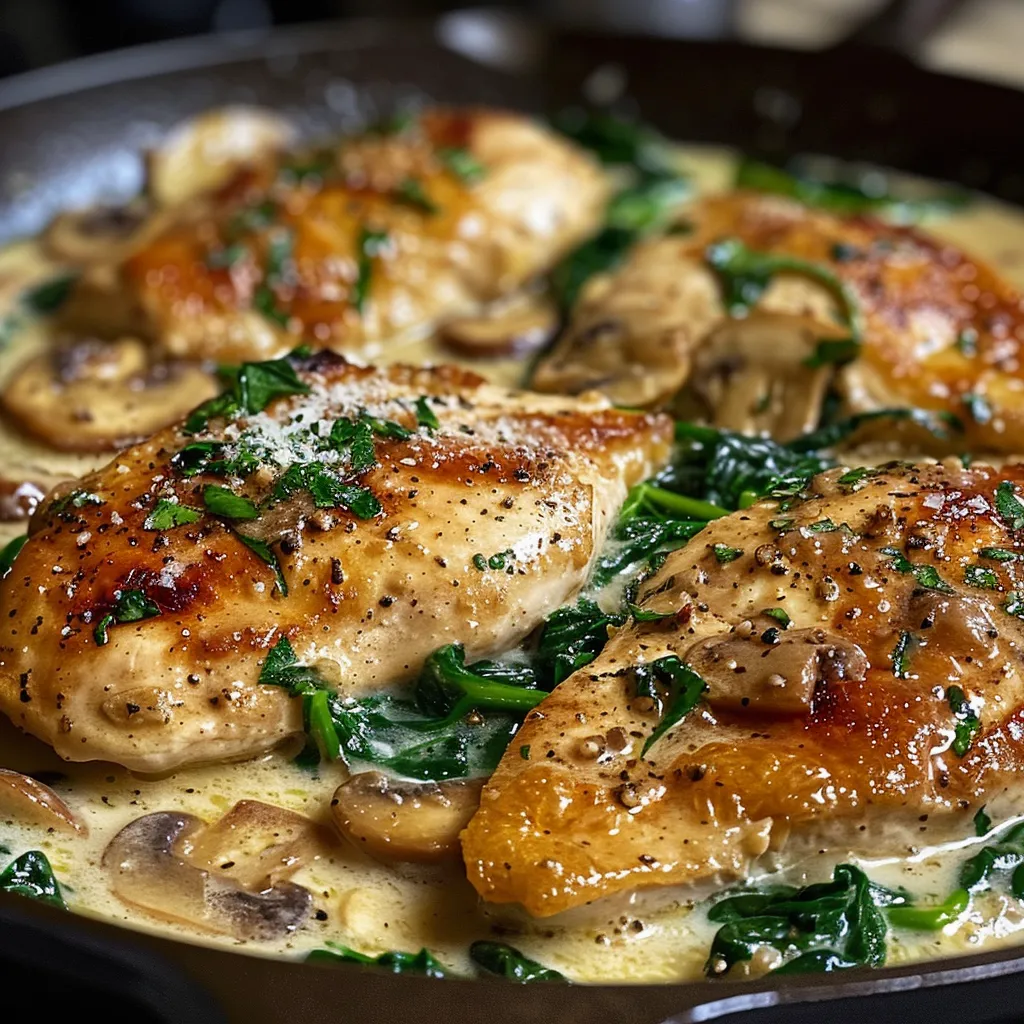
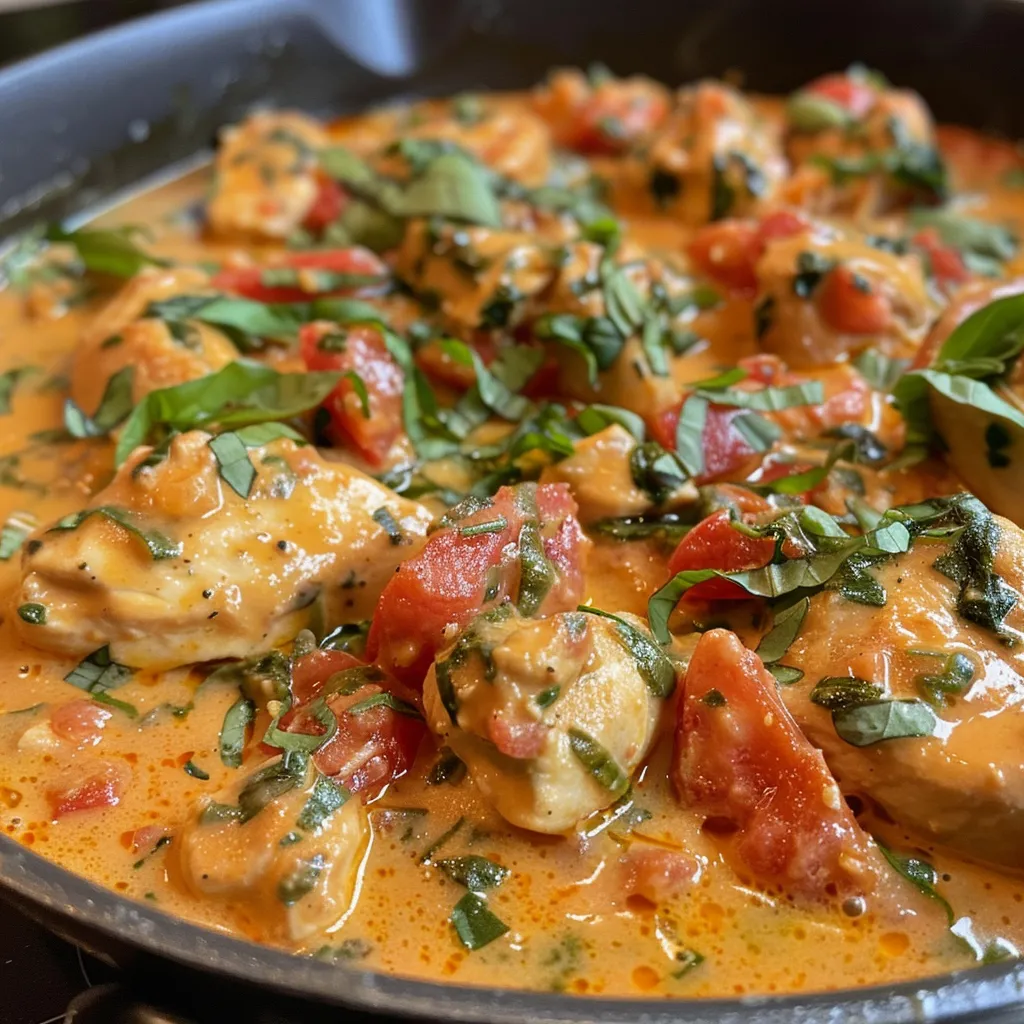
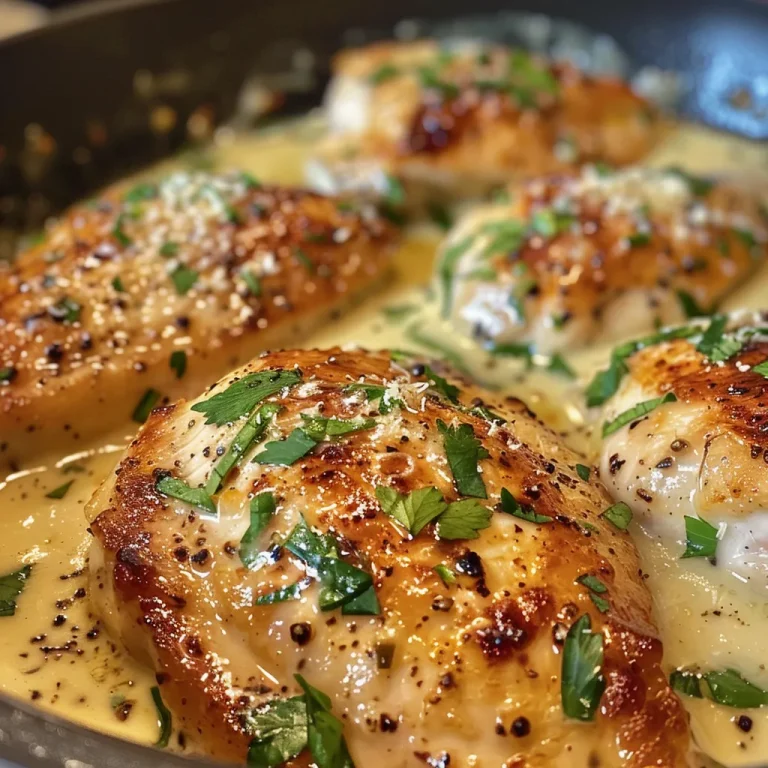
Deliciously cooked creamy garlic chicken with a rich sauce and greens in a frying pan.
  • Even Cooking: Always pound your chicken to an even thickness to ensure it cooks uniformly.
  • Don’t Rush the Searing: Allow the chicken to develop a golden crust by not flipping it too soon.
  • Control the Heat: Adjust the stovetop heat to prevent burning the garlic when sautéing.
  • Thickening the Sauce: If the sauce is too thick, a splash of chicken broth or water can adjust the consistency.
  • Flavor Boost: Consider adding a teaspoon of garlic powder for an extra punch.
  • Garnish Wisely: Fresh herbs like parsley or basil can elevate the presentation and flavor.
  • Experiment with Cheese: Try substituting Parmesan with Pecorino Romano for a sharper taste.
  • Storage Tips: Store leftovers in an airtight container in the refrigerator for up to 3 days.

Common Mistakes and Troubleshooting

Even with a straightforward recipe like this, it’s easy to run into issues. Here are some common pitfalls and how to avoid them:

  • Overcooked Chicken: Use a meat thermometer to check for doneness (165°F). This ensures juicy chicken every time.
  • Burnt Garlic: Keep a close eye on garlic while sautéing. It can go from golden to burnt in seconds.
  • Too Thick Sauce: If your sauce thickens too much, add a bit of broth or cream to loosen it.
  • Flavorless Dish: Always season your chicken well and taste the sauce as you go to adjust the seasoning.

Recipe Variations

One of the best features of this creamy garlic chicken skillet is its versatility. Here are some variations to consider:

  • Mediterranean Twist: Add sun-dried tomatoes and olives for a Mediterranean flair.
  • Spicy Kick: Incorporate red pepper flakes for a hint of heat.
  • Low-Carb Option: Replace pasta or rice with zucchini noodles for a lighter meal.
  • Herb-Infused Sauce: Add fresh herbs like thyme or rosemary for a fragrant sauce.

Storage and Make-Ahead Instructions

This dish is perfect for meal prep. Here’s how to store and reheat:

  • Refrigeration: Store in an airtight container for up to 3 days.
  • Freezing: You can freeze the cooked dish for up to 2 months. Thaw overnight in the refrigerator before reheating.
  • Reheating: Gently reheat in a skillet over low heat, adding a splash of cream or broth to maintain creaminess.

Frequently Asked Questions

Here are some common questions and answers to help you with your creamy garlic chicken skillet:

  • Can I use chicken thighs instead of breasts? Yes, chicken thighs work well and add extra flavor.
  • What can I substitute for heavy cream? You can use half-and-half or a dairy-free cream substitute for a lighter sauce.
  • Is this dish gluten-free? Yes, as long as you use gluten-free flour to dredge the chicken.
  • Can I add more vegetables? Absolutely! Broccoli, bell peppers, or zucchini would complement this dish nicely.
  • How do I know when the chicken is fully cooked? Use a meat thermometer; it should read 165°F at the thickest part.
  • What sides pair well with this dish? Serve with rice, pasta, or a side salad for a complete meal.
  • Can I make this dish ahead of time? Yes, it stores well and can be reheated easily.
  • How spicy is this dish? It’s not spicy, but you can add red pepper flakes for heat.

Nutrition Tips and Dietary Adaptations

This recipe can be adjusted to fit various dietary needs:

  • Low-Carb: Use cauliflower rice instead of traditional sides.
  • Dairy-Free: Substitute heavy cream with coconut cream and omit cheese.
  • High-Protein: Add a side of legumes or serve with a protein-rich grain.
  • Low-Calorie: Reduce the amount of cream and serve with steamed vegetables.

Essential Equipment Recommendations

To make this creamy garlic chicken skillet, you’ll need:

  • Non-stick skillet: Ensures even cooking and easy cleanup.
  • Meat thermometer: Perfect for checking chicken doneness.
  • Wooden spoon: Great for stirring and deglazing the pan.
  • Sharp knife: For easy cutting and preparation of ingredients.

Serving Suggestions

How you serve your creamy garlic chicken skillet can elevate the meal even further:

  • Over Pasta: Serve it over fettuccine or spaghetti for a comforting dinner.
  • With Crusty Bread: Perfect for mopping up that delicious sauce.
  • Alongside a Salad: A fresh garden salad can balance the richness of the dish.
  • On Rice: Serve over rice for a hearty meal that soaks up the sauce.

Conclusion

This effortless creamy garlic chicken skillet is a game-changer for busy weeknights. With its rich flavors and quick prep time, it’s sure to become a staple in your dinner rotation. By following this guide, you’ll not only make a fantastic meal but also gain confidence in the kitchen. Happy cooking!

Easy Creamy Garlic Chicken Skillet

Prep Time 10 minutes
Cook Time 20 minutes
Total Time 30 minutes
Servings 4 servings
Calories 550
A quick and flavorful chicken dish with a creamy garlic sauce, perfect for a satisfying weeknight dinner.

Ingredients

Protein

  • 2 pieces Chicken breasts (halved or pounded to even thickness)
  • 1 tbsp Olive oil
  • Salt and black pepper to taste Salt and black pepper (to taste)
  • 3 cloves Garlic (minced)
  • 1 cup Heavy cream
  • 1/2 cup Grated Parmesan cheese
  • 2 cups Fresh spinach
  • 1 cup Sliced mushrooms

Instructions 

  • Season chicken with salt and pepper, then sear in olive oil until golden and cooked through, about 5-7 minutes per side.
  • Remove chicken, sauté mushrooms for 3 minutes, then add garlic and cook for 30 seconds.
  • Pour in heavy cream, stir in Parmesan, and simmer until slightly thickened, 2-3 minutes.
  • Add spinach and cook until wilted, about 1 minute.
  • Return chicken to skillet, spoon sauce over, and heat through before serving.

Notes

For a richer flavor, use freshly grated Parmesan and high-quality cream.
Calories: 550kcal
Cost: $15
Course: Main Course
Cuisine: American
Keyword: Chicken

Mastering the Art of the Vegetable Omelette

Welcome to your ultimate guide on making a delicious and satisfying vegetable omelette! In just minutes, you can transform simple ingredients into a meal that you and your family will love. This vegetable omelette recipe is more than just a breakfast option; it’s a versatile dish that can be enjoyed at any time of the day. Let’s explore how to create a perfect omelette that not only tastes great but is also packed with nutrition.

Why You’ll Love This Recipe

  • Quick and Easy: This vegetable omelette can be prepared in just 15 minutes, making it perfect for busy mornings or a quick lunch.
  • Nutritious Ingredients: Packed with fresh vegetables and protein-rich eggs, this omelette is a healthy choice that will keep you satisfied for hours.
  • Customizable: Feel free to mix and match your favorite vegetables, cheeses, and spices, ensuring every omelette is unique.
  • Low Cost: With affordable ingredients, you can whip up this meal without breaking the bank.
  • Kid-Friendly: Get the kids involved in the kitchen! They’ll love selecting their favorite veggies and watching you cook.

Ingredients for a Perfect Vegetable Omelette

Here’s what you’ll need to make a mouthwatering vegetable omelette:

  • 3 large eggs: Room temperature eggs create a fluffier texture.
  • 2 tablespoons milk or cream: Adding milk or cream enhances creaminess.
  • 0.5 medium onion: Finely diced for a sweet flavor.
  • 0.25 cup bell peppers: Any color works—chopped for extra crunch.
  • 0.25 cup fresh mushrooms: Sliced thin for even cooking.
  • 2 tablespoons fresh spinach: Roughly chopped to boost nutrients.
  • 1 medium tomato: Diced and seeds removed to prevent excess moisture.
  • 2 tablespoons shredded cheese: Cheddar or mozzarella for melty goodness.
  • 2 tablespoons butter or olive oil: For cooking and flavor.
  • Seasoning: Salt, black pepper, and garlic powder to taste.
  • Fresh herbs: Chives, parsley, or basil for garnish.
  • 0.25 cup zucchini: Thinly sliced for added texture.
  • 2 tablespoons corn kernels: Sweet corn adds a burst of flavor.
  • 1 tablespoon fresh herbs: Dill or oregano are great options.
  • Hot sauce or red pepper flakes: For those who enjoy a kick!

Pro Tips for Cooking a Perfect Omelette

Side view of a fluffy vegetable omelette garnished with fresh herbs and spices.

To ensure your vegetable omelette is the best it can be, consider these expert tips:

  • Use the right pan: A non-stick skillet is ideal for easy flipping.
  • Control the heat: Cook over medium-low heat to prevent burning and ensure even cooking.
  • Prep your ingredients: Have everything chopped and ready before you start cooking.
  • Don’t overcrowd: Limit the number of fillings to keep the omelette manageable.
  • Let it rest: After whisking the eggs, let the mixture sit for a minute to enhance fluffiness.
  • Seal the edges: As the omelette cooks, gently push the edges towards the center for even cooking.
  • Fold with care: Use a spatula to fold the omelette gently to avoid tearing.
  • Garnish creatively: Fresh herbs or a sprinkle of cheese on top adds a beautiful finish.

Common Mistakes to Avoid

Here are some pitfalls to watch out for when making your vegetable omelette:

  • Using cold eggs: This can lead to a rubbery texture. Always use room temperature eggs.
  • Overcooking: Eggs should be set but still slightly soft in the center when you fold the omelette.
  • Skipping seasoning: Don’t forget to season your eggs! It makes a significant difference in flavor.
  • Using too many ingredients: This can result in a soggy omelette; stick to a few key ingredients.

Delicious Variations of the Vegetable Omelette

Feel free to experiment with these variations for a fun twist on the classic:

  • Southwestern Omelette: Add black beans, jalapeños, and pepper jack cheese for a spicy kick.
  • Mediterranean Omelette: Incorporate feta cheese, olives, and sun-dried tomatoes for a savory flavor.
  • Italian Omelette: Use Italian herbs, zucchini, and mozzarella for a fresh taste of Italy.
  • Herbed Cheese Omelette: Mix in cream cheese and fresh herbs for a rich, creamy texture.

Storage and Make-Ahead Instructions

If you have leftovers or want to prepare in advance, follow these guidelines:

  • Refrigeration: Store cooked omelettes in an airtight container in the fridge for up to 3 days.
  • Freezing: Freeze cooked omelettes for up to 2 months. Wrap them tightly in plastic wrap and aluminum foil.
  • Reheating: Microwave individual portions or reheat in a skillet over low heat until warmed through.

Frequently Asked Questions

Here are some common questions about making vegetable omelettes:

  • Can I make an omelette without milk? Absolutely! While milk adds creaminess, you can omit it for a lighter texture.
  • What vegetables work best? Classic choices include bell peppers, onions, and spinach, but feel free to get creative!
  • How do I prevent my omelette from sticking? Use a well-seasoned non-stick pan and enough fat to coat the surface.
  • How can I make my omelette fluffier? Whisking the eggs vigorously and letting them rest before cooking helps achieve fluffiness.
  • Are omelettes healthy? Yes! They are high in protein and can be packed with various vegetables for added nutrients.
  • Can I add meat to my omelette? Yes, cooked bacon, ham, or sausage can add great flavor!
  • What’s the best way to garnish? Fresh herbs or a sprinkle of cheese are excellent options to enhance presentation.
  • Can I use egg substitutes? Yes, egg substitutes or aquafaba can be used for a plant-based version.

Nutrition Tips and Dietary Adaptations

To make your vegetable omelette even more nutritious, consider these tips:

  • Increase vegetables: Feel free to add more veggies for extra fiber and nutrients.
  • Swap cheese: Use low-fat cheese or omit it altogether for a lighter meal.
  • Gluten-free: This recipe is naturally gluten-free, making it suitable for those with gluten sensitivities.
  • Vegan option: Substitute eggs with a chickpea flour mixture for a vegan-friendly omelette.

Equipment Recommendations

Here’s what you’ll need to make this omelette a success:

  • Non-stick skillet: Essential for easy flipping and even cooking.
  • Mixing bowl: For whisking your eggs and combining your ingredients.
  • Spatula: A flexible spatula helps with folding and serving.
  • Whisk: A good whisk ensures your eggs are well-beaten for optimal fluffiness.

Serving Suggestions

Pair your vegetable omelette with these sides for a complete meal:

  • Whole grain toast: Adds fiber and a satisfying crunch.
  • Fresh fruit: A light and refreshing contrast to the savory omelette.
  • Mixed greens salad: A simple side salad enhances the meal’s health benefits.
  • Yogurt: A dollop of yogurt can add a creamy touch and extra protein.

In conclusion, mastering the vegetable omelette is not only a valuable cooking skill but also an opportunity to enjoy a healthy, customizable meal. By following this comprehensive guide, you can create a delicious omelette with ease, impressing family and friends alike. So gather your ingredients, unleash your creativity, and enjoy the process of cooking. Happy omelette-making!

Vegetable Omelette Recipe

Prep Time 5 minutes
Cook Time 10 minutes
Total Time 15 minutes
Servings 2 servings
Calories 250
A quick and nutritious vegetable omelette perfect for breakfast or a light meal, packed with fresh veggies and cheese.

Ingredients

Eggs

  • 3 large eggs (room temperature)
  • 2 tablespoons whole milk or heavy cream

Vegetables

  • 0.5 medium onion (finely diced)
  • 0.25 cup bell peppers (chopped (any color))
  • 0.25 cup fresh mushrooms (sliced thin)
  • 2 tablespoons fresh spinach (roughly chopped)
  • 1 medium tomato (diced, seeds removed)
  • 0.25 cup zucchini (thinly sliced)
  • 2 tablespoons corn kernels

Cheese

  • 2 tablespoons shredded cheese (cheddar or mozzarella)

Fats

  • 2 tablespoons butter or olive oil (divided)

Seasonings

  • to taste salt and black pepper
  • 0.25 teaspoon garlic powder

Fresh herbs for garnish

  • 1 tablespoon fresh herbs (chives, parsley, or basil)
  • 0.25 cup dill, oregano

Heat & Seasoning

  • hot sauce or red pepper flakes for heat

Instructions 

  • Heat 1 tbsp butter, sauté onions 2–3 min, add peppers, mushrooms, spinach, and tomatoes; season.
  • Whisk eggs with milk, salt, pepper, garlic powder; rest 1 min.
  • Heat remaining butter, pour egg mixture, cook until edges set.
  • Spread vegetables on half, add cheese, fold omelette, garnish with herbs.

Notes

Use fresh vegetables for best flavor and texture.
Calories: 250kcal
Cost: $8
Course: Breakfast
Cuisine: American
Keyword: Omelette

Welcome to your ultimate guide on making 2 ingredient flatbread that’s not only delicious but also incredibly easy to whip up! In this article, we will explore everything you need to know to create this versatile bread recipe using just self-rising flour and Greek yogurt. Perfect for quick meals, snacks, or as a base for numerous dishes, you’ll find this flatbread becomes a staple in your kitchen. Let’s dive into the world of 2 ingredient bread!

Why You’ll Love This Recipe

This 2 ingredient flatbread offers numerous benefits that make it a standout choice for both novice and seasoned cooks alike:

  • Quick and easy preparation: With only two ingredients, you can make this flatbread in under 30 minutes.
  • Health-conscious option: Utilizing Greek yogurt adds protein and keeps the bread moist without excess calories.
  • Versatile usage: Use it as a wrap, dip, or base for pizzas — the options are endless!
  • Customizable flavor: Add herbs or spices to the dough for an extra flavor kick that suits your taste.
  • No yeast required: Say goodbye to waiting for dough to rise; this recipe is yeast-free for immediate satisfaction!

Ingredient Breakdown

Understanding your ingredients is key to mastering this recipe. Here’s what you’ll need:

  • 1 3/4 cups self-rising flour: This flour contains baking powder and salt, allowing for a quick rise. Gluten-free flour can be used for a gluten-free version.
  • 1 cup Greek yogurt: Options include non-fat, full-fat, or even vegan Greek yogurt for a plant-based alternative.
  • 1/2 teaspoon salt (optional): Enhances flavor but can be omitted based on dietary needs.

How to Make 2 Ingredient Flatbread

Follow these simple steps to create your flatbread:

  1. In a large mixing bowl, combine the self-rising flour with Greek yogurt. Mix until well combined, using your hands to form a ball of dough.
  2. Lightly flour a wooden or kitchen surface. Transfer the dough onto the floured surface and press it into a circular shape. Divide the dough into 8 even portions.
  3. Re-flour the surface and roll out each portion into a circular shape using a rolling pin.
  4. Preheat a non-stick pan over medium heat. Place one flatbread on the heated surface and cook for 2-3 minutes before flipping to cook for an additional 2 minutes. Repeat for all flatbreads.

Pro Tips for Perfect Flatbread

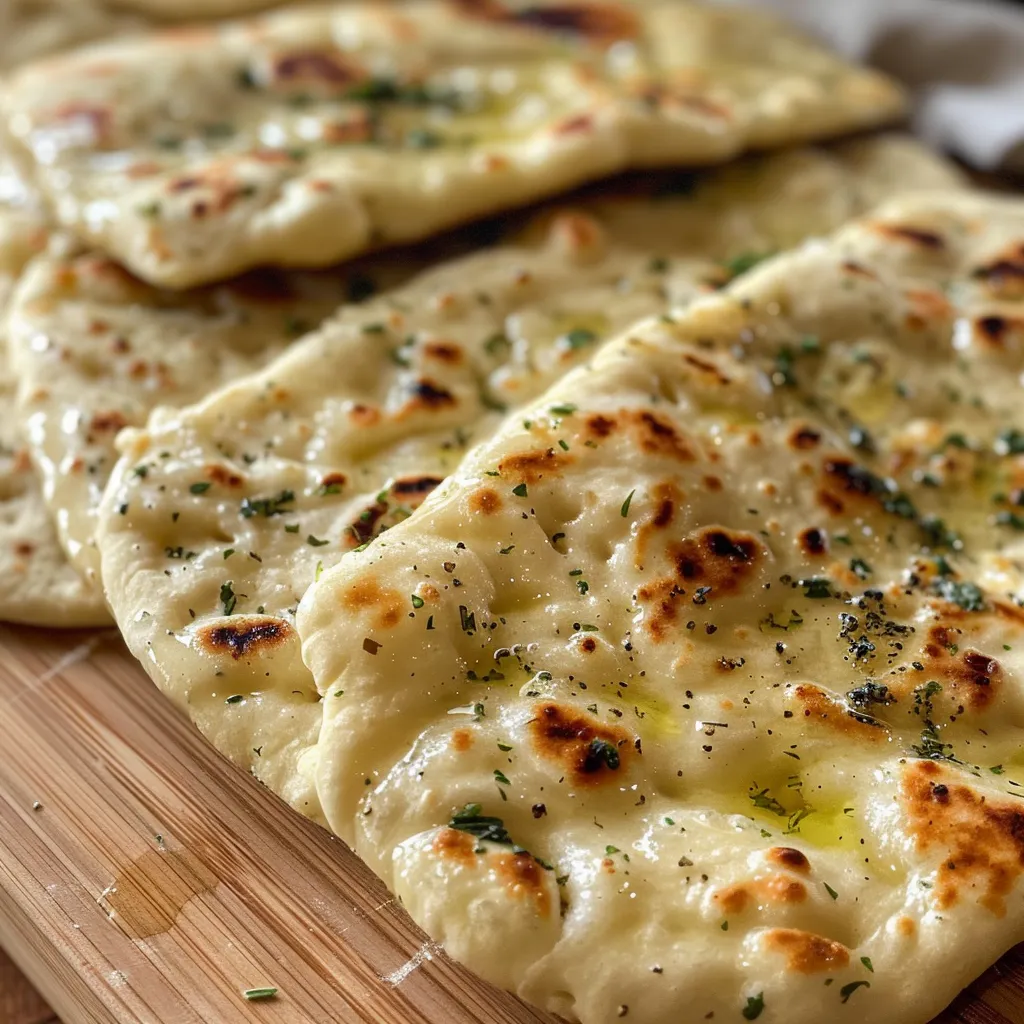
Simple, wholesome bread made from self-rising flour and Greek yogurt, presented elegantly.

To ensure your flatbread turns out perfectly every time, consider the following expert tips:

  • Mix gently: Avoid overmixing the dough to keep the texture light and fluffy.
  • Flour your surface adequately: This prevents sticking and makes rolling easier.
  • Check for doneness: The flatbread should be lightly golden with slight puffing when done.
  • Cooling time matters: Allow the bread to cool slightly in the pan to avoid gumminess.
  • Experiment with thickness: Thinner flatbreads cook faster and are crispier, while thicker ones are soft and chewy.

Common Mistakes and Troubleshooting

Even the best cooks make mistakes. Here’s how to solve common issues:

  • Dough is too sticky: Add a bit more flour to the dough until it reaches a workable consistency.
  • Flatbread is too dense: Ensure you’re using self-rising flour; if using all-purpose flour, add baking powder.
  • Flatbread is tough: This usually results from over-kneading; be gentle when mixing.

Variations of 2 Ingredient Flatbread

Mix things up with these delicious variations:

  • Herbed flatbread: Add dried herbs like oregano or rosemary to the dough for an aromatic twist.
  • Spicy flatbread: Incorporate red pepper flakes or cayenne for a kick.
  • Cheesy flatbread: Fold in shredded cheese into the dough for a richer flavor.
  • Sweet flatbread: Mix in a tablespoon of honey or sugar and top with cinnamon for a dessert-style flatbread.

Storage and Make-Ahead Instructions

To keep your flatbread fresh:

  • Refrigerate: Store in an airtight container for up to 3 days.
  • Freeze: Wrap individual flatbreads in plastic wrap and freeze for up to a month. Reheat in a skillet or microwave.

Frequently Asked Questions (FAQs)

Here are some common questions about 2 ingredient flatbread:

  • Can I use all-purpose flour instead of self-rising flour? Yes, but you will need to add baking powder and salt.
  • Can I make this flatbread vegan? Absolutely! Substitute Greek yogurt with a vegan version.
  • How do I know when the flatbread is done cooking? Look for a golden color and slight puffing on the edges.
  • Can I make this dough ahead of time? Yes, but it’s best to make and cook it fresh for optimal texture.
  • What can I serve with flatbread? Pair it with dips, spreads, or use it in place of tortillas in your favorite wraps.
  • Can this recipe be doubled or halved? Yes, adjust the ingredient quantities as needed.
  • Is this flatbread gluten-free? Use gluten-free self-rising flour for a gluten-free version.
  • Can I use Greek yogurt alternatives? Yes, any yogurt with similar consistency works well.

Nutrition Tips and Dietary Adaptations

This recipe is inherently low in calories and high in protein due to the Greek yogurt. To make it even healthier:

  • Swap in whole wheat flour: For added fiber and nutrients.
  • Add seeds: Incorporate chia or flax seeds for an omega-3 boost.

Equipment Recommendations

To successfully make your flatbread, you will need:

  • Mixing bowl: For combining ingredients easily.
  • Rolling pin: To roll out the dough uniformly.
  • Non-stick skillet: Essential for cooking the flatbreads without sticking.
  • Measuring cups: For precise ingredient measurements.

Serving Suggestions

Enjoy your 2 ingredient flatbread in various ways:

  • Wraps: Fill with your favorite deli meats, veggies, and spreads.
  • Dips: Serve alongside hummus, tzatziki, or guacamole.
  • Pizzas: Top with tomato sauce, cheese, and your favorite toppings.
  • Snacks: Enjoy with a drizzle of olive oil and a sprinkle of sea salt.

Conclusion

Creating your own 2 ingredient flatbread is not just easy; it’s a rewarding experience that enhances your cooking repertoire. Enjoy the process, experiment with flavors, and make this recipe your own. With its simplicity and versatility, this flatbread is sure to become a beloved staple in your kitchen. Thank you for joining me on this culinary journey — happy cooking!

2 Ingredient Bread (Healthy Flatbread)

Prep Time 10 minutes
Cook Time 6 minutes
Total Time 16 minutes
Servings 8 pieces
Calories 150
This simple and healthy flatbread requires just two ingredients and is perfect for quick snacks or meals.

Ingredients

Dough

  • 1 3/4 cups self-rising flour (use gluten-free if needed)
  • 1 cup Greek yogurt (vegan or regular)
  • 1/2 teaspoon salt (optional)

Instructions 

  • Mix flour and yogurt until combined to form a dough.
  • Divide dough into 8 portions and roll each into a flat circle.
  • Heat a non-stick pan over medium heat and cook each flatbread for 2-3 minutes per side.

Notes

Use a non-stick pan to avoid added oil and keep it healthy.
Calories: 150kcal
Cost: $5
Course: Breakfast, Snack
Cuisine: Healthy
Keyword: Flatbread, gluten free

Mastering No-Yeast Flatbread: Your Ultimate Guide

Welcome to your go-to resource for making the perfect no-yeast flatbread! In just minutes, you can create a delicious, versatile bread that pairs beautifully with a variety of meals or stands alone as a satisfying snack. This guide will take you through every step, ensuring you achieve great results every time. Whether you’re a beginner or a seasoned cook, this flatbread recipe is designed to fit seamlessly into your busy lifestyle.

Why You’ll Love This Recipe

  • Quick and Easy: This no-yeast flatbread comes together in under 30 minutes, making it an ideal option for weeknight meals.
  • Minimal Ingredients: Using just a few pantry staples ensures that you can whip this up anytime without a last-minute grocery run.
  • Customizable: Add your favorite herbs and spices to create unique flavors or adjust the thickness to suit your preference.
  • Healthy Option: With whole wheat variations and the option to use low-fat yogurt, this flatbread can fit into a healthier diet.
  • Perfect for Meal Prep: Make a batch in advance and store them for quick meals or as a side for your favorite dishes.

Dive into the Ingredients

Let’s break down the essential ingredients for this flatbread recipe and explore some possible substitutions:

  • All-Purpose Flour: Use 2 cups of all-purpose flour or a 50/50 mix with whole wheat for added nutrition.
  • Baking Powder: 2 teaspoons help the flatbread puff up slightly, giving it a light texture.
  • Salt: 1 teaspoon enhances flavor—don’t skip this step!
  • Yogurt: 1 cup of plain yogurt (Greek or regular) is the star ingredient, providing moisture and flavor. Substitute with milk or water if needed.
  • Olive Oil: 1 tablespoon for richness in flavor; feel free to use other oils like coconut or avocado oil.
  • Optional Add-ins: 1 teaspoon of garlic powder, dried herbs, or even a sprinkle of cheese can elevate your flatbread.

Pro Tips for Perfect Flatbread

Appetizing flatbread made without yeast, showcasing a crispy edge and fluffy inside.

Here are some expert insights to ensure your flatbread turns out perfectly every time:

  • Resting Time: Letting the dough rest for 10–15 minutes allows the gluten to relax, making it easier to roll out.
  • Check the Heat: Ensure your skillet is hot enough before adding the flatbread; this helps achieve those beautiful golden spots.
  • Adjusting Dough Consistency: If the dough feels too dry, add a tablespoon of water; if sticky, add a sprinkle of flour.
  • Thickness Matters: For softer flatbread, roll it thicker; for crispier edges, roll it thinner.
  • Keep Them Warm: Stack cooked flatbreads in a clean kitchen towel to keep them soft until serving.
  • Experiment with Flavors: Don’t hesitate to try different herbs or spices to make your flatbread unique!
  • Storage: Store leftovers in an airtight container in the fridge for up to 3 days, or freeze them for longer storage.
  • Serve with Style: Pair with dips, curries, or use as wraps for sandwiches. The possibilities are endless!

Common Mistakes and Troubleshooting

Even the best chefs encounter hiccups in the kitchen. Here are common mistakes to avoid with this flatbread recipe:

  • Overworking the Dough: Kneading too much can result in tough flatbreads. Aim for just 1 minute of gentle kneading.
  • Not Preheating the Skillet: If your skillet isn’t hot enough, the flatbread won’t cook evenly.
  • Skipping the Rest: Don’t rush the resting time; it’s crucial for the dough’s texture.
  • Using Too Much Flour: Over-flouring your surface can lead to dry flatbread. Use just enough to prevent sticking.

Delicious Variations to Try

Once you’ve mastered the basic recipe, explore these tasty variations:

  • Garlic Herb Flatbread: Add garlic powder and mixed herbs to the dough for a flavorful twist.
  • Cheesy Flatbread: Mix in shredded cheese such as mozzarella or cheddar into the dough for a cheesy delight.
  • Spicy Flatbread: Incorporate crushed red pepper flakes or your favorite hot spice for a kick.
  • Sweet Flatbread: Add a tablespoon of sugar or honey and serve with sweet toppings like yogurt and fruit.

Storage and Make-Ahead Instructions

To maximize your flatbread experience, here’s how to store them:

  • Refrigeration: Place leftover flatbread in an airtight container and store in the fridge for up to 3 days.
  • Freezing: For longer storage, freeze separated flatbreads with parchment paper in between. They can last up to 3 months.
  • Reheating: Warm up in a skillet over medium heat for a few seconds on each side or microwave for 10–15 seconds.

Comprehensive FAQ

Here are answers to some frequently asked questions about making no-yeast flatbread:

  • Can I use whole wheat flour? Yes, a mix of whole wheat and all-purpose flour works well!
  • What if I don’t have yogurt? Milk or water can be used as substitutes, though yogurt adds flavor and moisture.
  • How thick should I roll the dough? Aim for about 1/8 inch thick for the best texture.
  • Can I bake these instead of cooking on a skillet? Yes! Bake at 400°F (200°C) for about 10 minutes or until golden.
  • Why isn’t my flatbread puffing? Ensure your baking powder is fresh and your skillet is hot enough.
  • Can I make these ahead of time? Absolutely! Prepare the dough and refrigerate it, then roll out and cook when ready.
  • What can I serve with flatbread? Hummus, curries, grilled meats, or use as wraps for sandwiches.
  • How do I make a gluten-free version? Use a gluten-free flour blend in place of all-purpose flour.

Nutritional Tips and Dietary Adaptations

This flatbread can be adapted to fit various dietary needs:

  • Low-Carb Option: Use almond flour or coconut flour for a low-carb alternative.
  • Dairy-Free: Substitute yogurt with a plant-based yogurt or use water/milk alternatives.
  • Whole Grain: Incorporate whole wheat flour for added fiber and nutrients.

Essential Equipment Recommendations

To make the process smoother, here’s what you’ll need:

  • Mixing Bowl: A medium-sized bowl for mixing your ingredients.
  • Rolling Pin: Essential for rolling out your dough evenly.
  • Cast-Iron Skillet: Ideal for achieving that perfect golden crust.
  • Kitchen Towel: To keep your flatbreads warm and soft after cooking.

Serving Suggestions for Your Flatbread

Your no-yeast flatbread can shine in various culinary contexts:

  • Wraps: Use them as a base for wraps filled with grilled veggies, meats, or spreads.
  • Snacks: Serve with dips like hummus, tzatziki, or guacamole for a quick snack.
  • Accompaniment: Pair with soups or stews to soak up delicious broths.
  • Breakfast: Top with eggs, avocado, or smoked salmon for a hearty breakfast.

Conclusion

Now you have everything you need to create delicious, fluffy no-yeast flatbread that’s both easy and versatile. With a bit of practice, you’ll be able to whip this up in no time, impressing your family and friends with your culinary skills. Enjoy your flatbreads warm, and don’t hesitate to explore the countless ways to use them in your meals. Happy cooking!

No-Yeast Flatbread Cooked On The Stove

Prep Time 10 minutes
Cook Time 10 minutes
Total Time 20 minutes
Servings 6 pieces
Calories 180
This quick and easy flatbread is perfect for a delicious snack or meal, made without yeast and cooked right on your stovetop.

Ingredients

Dough

  • 2 cups all-purpose flour (or a 50/50 mix of all-purpose and whole wheat)
  • 2 teaspoons baking powder
  • 1 teaspoon salt
  • 1 cup plain yogurt (Greek or regular) or milk/water as a substitute
  • 1 tablespoon olive oil (plus a little extra for cooking)

Optional toppings

  • 1 teaspoon garlic powder, dried herbs, butter for brushing, or ghee (optional)

Instructions 

  • Mix flour, baking powder, salt, and optional herbs in a bowl.
  • Stir in yogurt and olive oil; add water or milk if needed to form a soft dough.
  • Knead briefly until smooth, then rest for 10 minutes.
  • Divide dough into 6–8 balls, roll into rounds about 6–7 inches in diameter.
  • Heat a skillet over medium heat, brush with oil, cook each flatbread 1–2 minutes per side until golden.
  • Stack and brush with butter or ghee; serve warm.

Notes

Keep the dough slightly sticky for easier rolling, and cook on medium heat to prevent burning.
Calories: 180kcal
Cost: $10
Course: Main, Snack
Cuisine: international
Keyword: Flatbread

Welcome to the delightful world of smoothie bowls! If you’ve ever craved a quick, nutritious breakfast or snack, the **Strawberry Banana Smoothie Bowl** is your answer. This recipe combines the sweet flavors of strawberries and bananas, creating a vibrant and healthy treat that can be whipped up in minutes. With just a handful of ingredients like frozen strawberries, a ripe banana, and a touch of beetroot powder for added color and nutrition, you’re about to discover how easy it is to enjoy a delicious smoothie bowl. Let’s dive into the details of making the perfect Strawberry Banana Smoothie Bowl!

Why You’ll Love This Recipe

Here are five compelling reasons to love this smoothie bowl:

  • Quick & Easy: This recipe takes just **5 minutes** to prepare, making it ideal for busy mornings or a nutritious snack anytime.
  • Nutrient-Packed: With strawberries and bananas, this bowl is rich in vitamins, antioxidants, and fiber, supporting your health and wellness.
  • Customizable: You can easily tweak the toppings and add-ins to suit your taste or dietary needs, from nut butters to granola.
  • Visually Stunning: The vibrant pink color from the strawberries and beetroot powder makes this smoothie bowl a feast for the eyes.
  • Kid-Friendly: A delicious way to get kids to enjoy fruits, this smoothie bowl can be a fun and interactive meal for the whole family.

Ingredients Breakdown

To create the best Strawberry Banana Smoothie Bowl, gather the following ingredients:

  • 1 cup frozen strawberries: These provide natural sweetness and a thick texture.
  • 1 frozen banana: A ripe banana adds creaminess and enhances sweetness without added sugar.
  • 2 tsp beetroot powder: This optional ingredient boosts color and offers additional nutrients.
  • Fresh strawberries, sliced: For topping and added freshness.
  • Coconut flakes: Adds a delightful tropical flavor and texture.
  • Hemp seeds: Packed with protein and healthy fats, these are perfect for a nutritional boost.

**Substitutions**: If you don’t have all the ingredients on hand, here are some easy swaps:

  • **Frozen fruit**: Use any frozen fruit like mango or blueberries for different flavors.
  • **Milk alternatives**: Swap out regular milk for almond milk, coconut milk, or oat milk for a dairy-free option.
  • **Sweeteners**: If you prefer a sweeter bowl, add a drizzle of honey or maple syrup.

Pro Tips for the Best Strawberry Banana Smoothie Bowl

To ensure your smoothie bowl turns out perfectly every time, consider these expert tips:

  • Use frozen fruit: Starting with frozen strawberries and bananas creates a thicker, creamier texture.
  • Adjust liquid carefully: Begin with minimal liquid and add more as needed to achieve your desired thickness.
  • Blend in intervals: Stop the blender occasionally to scrape down the sides and ensure everything is blended evenly.
  • Chill your bowl: Place your serving bowl in the freezer for a few minutes before serving to keep your smoothie cold.
  • Experiment with toppings: Try adding nuts, seeds, granola, or even edible flowers for a gourmet touch.
  • Layer flavors: Mix in a scoop of yogurt or protein powder for added creaminess and nutrition.
  • Presentation matters: Arrange toppings artistically to make your smoothie bowl visually appealing.
  • Enjoy immediately: Smoothie bowls are best served fresh, so dig in right after preparation.

Common Mistakes and Troubleshooting

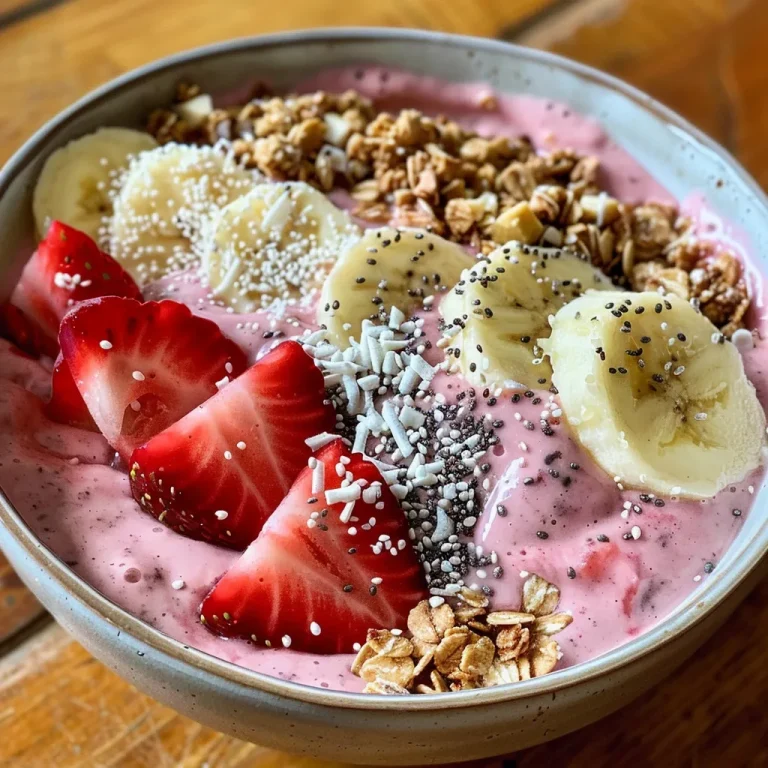
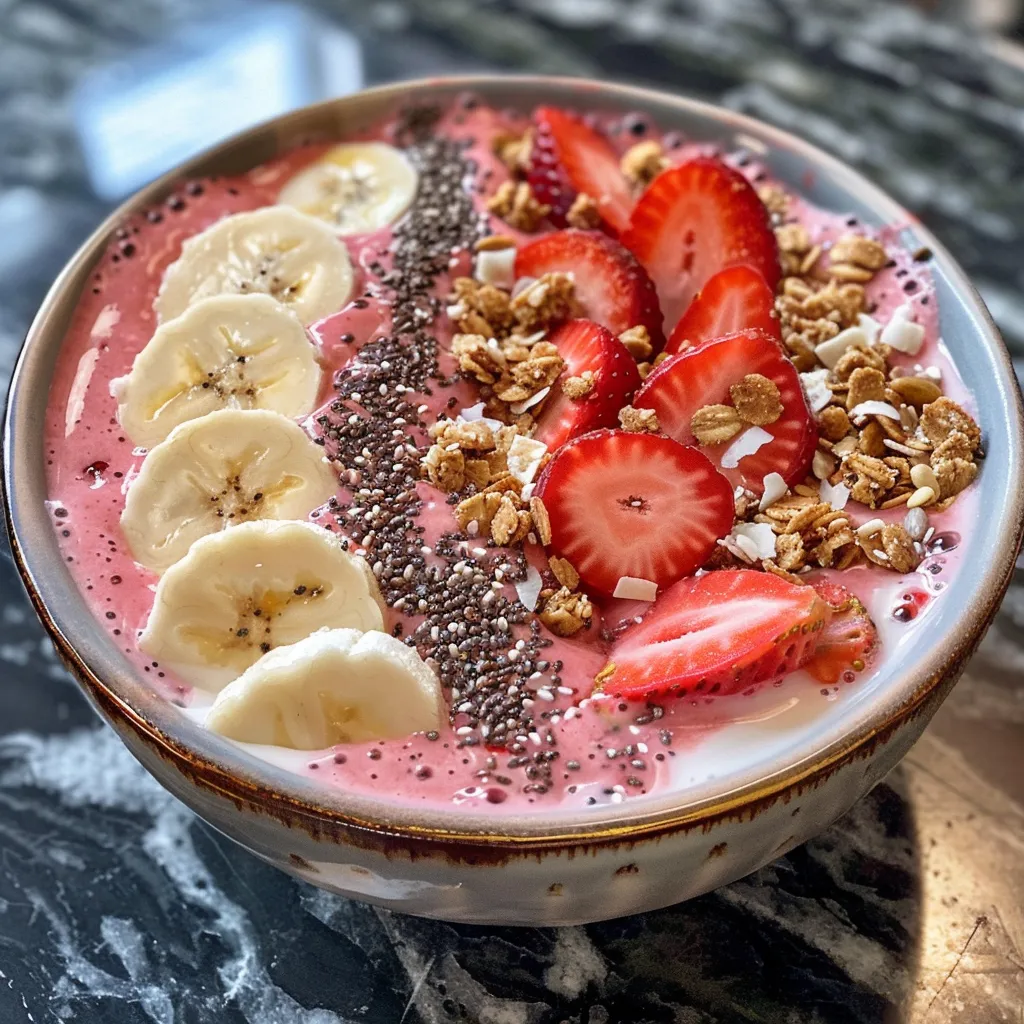
Smoothie bowl made with strawberries and banana, decorated with sliced fresh strawberries and coconut flakes.

Even with a simple recipe, mistakes can happen. Here’s how to avoid common pitfalls:

  • Too runny? If your smoothie is too thin, add more frozen fruit or a handful of ice cubes and blend again.
  • Too thick? Gradually add a splash of liquid (milk or water) until you reach your desired consistency.
  • Not sweet enough? Adjust sweetness by blending in a bit of honey, maple syrup, or a pitted date.
  • Grainy texture? Ensure you’re using a high-speed blender for a smooth finish, and blend longer if needed.

Variations to Try

Get creative with these delicious variations of the Strawberry Banana Smoothie Bowl:

  • Chocolate Banana Smoothie Bowl: Add **cocoa powder** and top with dark chocolate shavings for a decadent treat.
  • Tropical Berry Smoothie Bowl: Include **pineapple** and **mango** for a refreshing tropical twist.
  • Nutty Banana Smoothie Bowl: Blend in **peanut butter** or **almond butter** for added protein and healthy fats.
  • Green Smoothie Bowl: Add a handful of **spinach** or **kale** for an extra nutrient boost without compromising flavor.

Storage and Make-Ahead Instructions

Preparation can be streamlined with these storage tips:

  • Make ahead: Prepare the smoothie base in advance and store it in the freezer in a zip-top bag for quick blending later.
  • Storage: If you have leftovers, store them in an airtight container in the fridge for up to 24 hours. Stir before consuming.

Frequently Asked Questions

Here are answers to common questions about the Strawberry Banana Smoothie Bowl:

  • Can I use fresh fruit instead of frozen? Yes, but using frozen fruit yields a thicker, creamier texture.
  • How can I make this smoothie bowl vegan? Simply use plant-based milk and omit any non-vegan toppings.
  • What if I don’t have beetroot powder? You can skip it; it’s optional but adds color and nutrients.
  • Is this smoothie bowl healthy? Yes! It’s packed with vitamins, minerals, and fiber, making it a nutritious option.
  • Can I add protein powder? Absolutely! Blend in a scoop for an extra protein boost.
  • How do I avoid a watery smoothie? Start with frozen fruit and add liquid gradually.
  • What are some good toppings? Fresh fruit, granola, nuts, seeds, and coconut flakes all work wonderfully!
  • Can I meal prep these? Yes, you can prepare the base ahead of time and assemble just before serving.

Nutrition Tips and Dietary Adaptations

For a healthier smoothie bowl, consider these adaptations:

  • Low-sugar option: Use unsweetened almond milk and limit sweet toppings.
  • High-protein option: Include Greek yogurt or protein powder in the blend.
  • Gluten-free: Ensure your toppings and add-ins are labeled gluten-free.

Equipment Recommendations

To create the perfect Strawberry Banana Smoothie Bowl, here’s what you’ll need:

  • High-speed blender: Essential for achieving a smooth and creamy texture.
  • Measuring cups: For precise ingredient measurements.
  • Bowl and spoon: Choose a bowl that showcases your beautiful creation, and don’t forget a spoon for digging in!

Serving Suggestions

After blending your smoothie bowl, serve it up with style:

  • Top with an assortment of **fresh fruits** for added color and nutrition.
  • Sprinkle seeds and nuts for a satisfying crunch and healthy fats.
  • Drizzle with honey or nut butter for an extra touch of sweetness.

In conclusion, the **Strawberry Banana Smoothie Bowl** is a versatile, delicious, and nutritious option that can be tailored to fit your lifestyle. Whether you enjoy it for breakfast, a snack, or even dessert, this recipe is sure to become a staple in your kitchen. With a few simple ingredients and a little creativity, you can whip up a bowl of bliss that not only satisfies your taste buds but also fuels your body. So grab your blender and start experimenting today—your perfect smoothie bowl awaits!

The Best Strawberry Banana Smoothie Bowl

Prep Time 10 minutes
Total Time 10 minutes
Servings 2 bowls
Calories 250
A delicious and nutritious smoothie bowl perfect for a quick breakfast or snack. Packed with fresh fruit and superfoods, it's both tasty and energizing.

Ingredients

Fruits

  • 1 cup frozen strawberries
  • 1 frozen banana banana

Superfood Powder

  • 2 tsp beet root powder

Toppings

  • Fresh strawberries, sliced
  • Coconut flakes
  • Hemp seeds

Instructions 

  • Add frozen strawberries, banana, and beet root powder to blender. Blend until smooth.
  • Pour into a bowl and top with sliced strawberries, coconut flakes, and hemp seeds. Serve immediately.

Notes

You can customize toppings to your preference for added flavor and texture.
Calories: 250kcal
Cost: $10
Course: Breakfast
Cuisine: Healthy
Keyword: Fruit, Smoothie

Welcome to a culinary journey that transforms your weeknight dinners into something special! This Creamy Tomato Basil Chicken recipe combines rich flavors and simple steps to create a dish that’s both impressive and approachable. With just a few ingredients and about 30 minutes of cooking, you can prepare a meal that’s perfect for busy evenings or entertaining guests. Let’s dive into the details!

Why You’ll Love This Recipe

  • Quick and Easy: This recipe can be made in under 30 minutes, making it ideal for busy weeknights.
  • Rich and Flavorful: The combination of creamy sauce, fresh tomatoes, and fragrant basil creates a delicious dish that will delight your taste buds.
  • Versatile Ingredients: You can easily substitute ingredients based on what you have in your pantry, making this recipe adaptable for various diets.
  • Impressive Presentation: Serve this dish in the skillet for a rustic charm that makes it look like you’ve spent hours in the kitchen.
  • Family-Friendly: Even picky eaters will enjoy the comforting flavors of this creamy tomato basil chicken!

Ingredients and Their Roles

Here’s what you’ll need to make this delectable dish:

  • 2 large boneless, skinless chicken breasts: The star of the show, chicken breasts provide a lean protein base.
  • ¼ teaspoon garlic powder: Adds a subtle depth of flavor to the chicken.
  • Salt and pepper: Essential for seasoning the chicken to enhance its natural flavors.
  • All-purpose flour: Used for dredging the chicken, giving it a nice crust during cooking.
  • 1 tablespoon olive oil: A healthy fat that helps cook the chicken while adding flavor.
  • 1 tablespoon butter: Adds richness to the sauce and aids in browning the chicken.
  • 3 cloves garlic, minced: Fresh garlic enhances the sauce with aromatic flavor.
  • ¼ cup chicken broth: Provides moisture and depth to the sauce.
  • ½ teaspoon Dijon mustard: Adds a tangy kick that balances the creaminess of the sauce.
  • ¾ cup heavy cream: The key ingredient that makes the sauce rich and luscious.
  • 1 medium tomato, chopped: Fresh tomatoes contribute bright flavor and texture.
  • ¼ teaspoon Italian seasoning: A blend of herbs that complements the dish beautifully.
  • 1 small handful fresh basil, chopped or torn: Provides freshness and a burst of flavor.

How to Make Creamy Tomato Basil Chicken

Follow these simple steps to create your creamy tomato basil chicken:

Step 1: Prepare the Chicken

Cut the chicken breasts in half lengthwise to create four thinner cutlets. Season generously with garlic powder, salt, and pepper. Dredge the chicken cutlets in flour, shaking off any excess.

Step 2: Cook the Chicken

In a skillet over medium-high heat, add olive oil and butter. Once hot, add the chicken cutlets and cook until golden brown on each side (about 4-5 minutes per side). Remove the chicken from the pan and set aside.

Step 3: Make the Sauce

In the same skillet, add minced garlic and sauté for about 30 seconds until fragrant. Stir in the Dijon mustard and chicken broth, scraping up any browned bits from the bottom of the pan.

Step 4: Combine Ingredients

Pour in the heavy cream, chopped tomatoes, Italian seasoning, and fresh basil. Bring to a simmer, then return the chicken to the skillet, allowing it to cook in the sauce for about 5 minutes until the sauce thickens and the chicken is cooked through. Adjust seasoning with additional salt and pepper to taste.

Pro Tips for Making the Recipe

Delicious bowl of creamy tomato basil chicken showcasing vibrant colors.
  • Use fresh ingredients: Fresh basil and ripe tomatoes will make a noticeable difference in flavor.
  • Don’t rush the cooking: Give the chicken enough time to brown properly for maximum flavor.
  • Thicker sauce tips: If you prefer a thicker sauce, simmer it for a few extra minutes, uncovered.
  • Flavor enhancements: Consider adding a splash of white wine when making the sauce for added depth.
  • Substitutions: Feel free to swap the chicken for shrimp or tofu for a twist on this recipe.
  • Storage: This dish can be stored in the fridge for up to 3 days, and flavors will intensify over time.
  • Reheating: Reheat gently on the stove to avoid breaking the sauce.
  • Serving suggestion: Serve with pasta, rice, or crusty bread to soak up the delicious sauce!

Common Mistakes and Troubleshooting

A few common pitfalls and how to avoid them:

  • Curdled sauce: Avoid boiling the cream; keep the heat medium to prevent curdling.
  • Overcooked chicken: Use a meat thermometer to ensure chicken reaches 165°F (75°C) without overcooking.
  • Bland flavor: Don’t skimp on seasoning. Taste and adjust with salt, pepper, or herbs as needed.

Variations to Try

Mix things up with these creative variations:

  • Spicy Tomato Basil Chicken: Add a pinch of red pepper flakes for some heat.
  • Pesto Creamy Chicken: Stir in a couple of tablespoons of pesto for a different flavor profile.
  • Vegetable Medley: Add sautéed spinach, bell peppers, or mushrooms to the sauce for extra nutrition.
  • Creamy Tomato Basil Shrimp: Substitute chicken with shrimp for a seafood twist!

Storage and Make-Ahead Instructions

This creamy tomato basil chicken is perfect for meal prep!

  • Make Ahead: Prepare the dish up to the point of adding the sauce, then refrigerate. When ready to serve, reheat and add the sauce.
  • Storing Leftovers: Store in an airtight container in the fridge for up to 3 days. Reheat gently on the stovetop.

Comprehensive FAQ

Here are some frequently asked questions about this recipe:

  • Can I use frozen chicken? Yes, but ensure it’s fully thawed before cooking to prevent uneven cooking.
  • What can I serve with this dish? It pairs well with pasta, rice, or a simple green salad.
  • Can I make this recipe dairy-free? Substitute the heavy cream with coconut cream or a cashew cream alternative.
  • How do I know when the chicken is done? Use a meat thermometer to check that it reaches an internal temperature of 165°F (75°C).
  • Can I use dried herbs instead of fresh? Yes, but use about a third of the amount as dried herbs are more potent.
  • Can this dish be frozen? It’s best enjoyed fresh, but you can freeze it for up to 2 months. Thaw and reheat gently.
  • What type of chicken is best for this recipe? Boneless, skinless chicken breasts or thighs both work well!
  • Is this recipe gluten-free? Yes, simply replace all-purpose flour with a gluten-free flour blend.

Nutrition Tips and Dietary Adaptations

This dish is high in protein and can be made lighter by using less cream or substituting with lower-fat alternatives. For a balanced meal, serve with a side of steamed vegetables or a fresh salad to increase fiber intake.

Equipment Recommendations

To make this creamy tomato basil chicken, you will need:

  • Skillet: A non-stick or cast-iron skillet is perfect for browning the chicken and making the sauce.
  • Meat Thermometer: Essential for ensuring your chicken is cooked to perfection.
  • Cutting Board and Knife: For prepping your ingredients.
  • Measuring Cups and Spoons: To ensure accurate ingredient quantities.

Serving Suggestions

Serve this creamy tomato basil chicken over a bed of pasta, alongside crusty bread, or on a bed of rice. Garnish with extra fresh basil or a sprinkle of Parmesan cheese for added flavor.

In conclusion, this Creamy Tomato Basil Chicken recipe is your go-to solution for a quick, delicious dinner that impresses. With its rich flavors and straightforward preparation, it’s sure to become a favorite in your home! Enjoy the delightful combination of creamy sauce and tender chicken, and remember, cooking should be enjoyable and rewarding. Happy cooking!

Creamy Tomato Basil Chicken Recipe

Prep Time 10 minutes
Cook Time 15 minutes
Total Time 25 minutes
Servings 4 servings
Calories 450
A delicious and creamy chicken dish infused with fresh tomatoes and basil, perfect for a quick dinner.

Ingredients

Protein

  • 2 large boneless, skinless chicken breasts
  • ¼ teaspoon garlic powder
  • Salt and pepper Salt and pepper, to taste
  • All-purpose flour for dredging
  • 1 tablespoon olive oil
  • 1 tablespoon butter
  • 3 cloves garlic, minced
  • ¼ cup chicken broth
  • ½ teaspoon Dijon mustard
  • ¾ cup heavy cream
  • 1 medium tomato, chopped
  • ¼ teaspoon Italian seasoning
  • 1 small handful fresh basil, chopped or torn

Instructions 

  • Slice chicken in half lengthwise, season, and dredge in flour.
  • Cook chicken in oil and butter until golden, then set aside.
  • Cook garlic, add broth and mustard, simmer briefly.
  • Add cream, tomatoes, seasoning, basil, then return chicken and simmer until thickened.

Notes

Serve immediately for best flavor.
Calories: 450kcal
Cost: $15
Course: Main Course
Cuisine: American
Keyword: Basil, Chicken, Creamy, Tomato

Effortless Indulgence: Unleashing the Flavor of Creamy Garlic Parmesan Chicken

If you’re on the lookout for a dinner recipe that combines simplicity with mouthwatering flavor, look no further than this Creamy Garlic Parmesan Chicken. Perfect for busy weeknights or special occasions, this dish features succulent chicken breasts enveloped in a rich, creamy garlic and parmesan sauce. With just a few minutes of prep and minimal ingredients, you’ll discover why this recipe is a go-to for many home cooks.

In this article, we will explore the ins and outs of making this easy creamy garlic parmesan chicken, offering tips, variations, and a comprehensive FAQ to ensure you achieve perfect results every time.

Why You’ll Love This Recipe

  • Quick and Easy: This recipe comes together in under 30 minutes, making it perfect for busy weeknights.
  • Rich and Flavorful: The combination of garlic and parmesan creates a sauce that is both indulgent and satisfying.
  • Versatile: This dish can be paired with a variety of sides, from pasta to vegetables, making it adaptable to your tastes.
  • Beginner-Friendly: With no complicated techniques, even novice cooks can master this recipe.
  • Meal Prep Friendly: Leftovers store well, making it a great option for meal prepping.

Ingredients Breakdown

To make this creamy garlic parmesan chicken, you will need the following ingredients:

  • 4 pieces boneless, skinless chicken breasts: Choose fresh or thawed for optimal flavor and texture.
  • 1 cup heavy cream: For a lighter version, substitute with half-and-half or coconut cream.
  • 1 cup grated parmesan cheese: Use freshly grated for the best flavor.
  • 4 cloves garlic, minced: Fresh garlic elevates the dish; avoid garlic powder for a more robust taste.
  • 2 tablespoons olive oil: For cooking the chicken; you can use butter for a richer flavor.
  • 1 teaspoon Italian herbs: A blend of dried basil, oregano, and thyme adds depth to the sauce.
  • Salt and pepper to taste: Essential for bringing out the flavors.
  • Fresh parsley, chopped (for garnish): Adds a fresh touch and color to the dish.

How to Make Creamy Garlic Parmesan Chicken

Appetizing chicken dish showcasing a creamy, cheesy garlic sauce.

Follow these simple steps to create this flavorful dish:

  • Step 1: In a large skillet, heat the olive oil over medium heat.
  • Step 2: Season the chicken breasts with salt and pepper, then add them to the skillet. Cook for about 6-7 minutes on each side until golden brown and cooked through.
  • Step 3: Remove the chicken from the skillet and set aside. In the same skillet, add minced garlic and sauté for about 1 minute until fragrant.
  • Step 4: Pour in the heavy cream, stirring to combine, then add the parmesan cheese and Italian herbs. Continue to stir until the cheese melts and the sauce thickens.
  • Step 5: Return the chicken to the skillet, coating it in the creamy sauce. Simmer for an additional 2-3 minutes.
  • Step 6: Garnish with fresh parsley before serving.

Pro Tips for Perfect Chicken

  • Use a Meat Thermometer: Ensure chicken reaches an internal temperature of 165°F (75°C) for safe consumption.
  • Don’t Overcrowd the Pan: This allows the chicken to sear properly and prevents steaming.
  • Let it Rest: Allow the chicken to rest for a few minutes after cooking for juicier meat.
  • Adjust Consistency: If the sauce is too thick, add a splash of chicken broth or water to reach your desired consistency.
  • Flavor Boost: Add a splash of white wine when sautéing the garlic for an extra layer of flavor.
  • Thicken the Sauce: If you prefer a thicker sauce, mix a tablespoon of cornstarch with cold water and stir it in during the simmering phase.
  • Herb Variations: Experiment with different herbs like thyme or rosemary for unique flavor profiles.
  • Make It Spicy: Add red pepper flakes to the sauce for a kick of heat.

Common Mistakes and Troubleshooting

  • Overcooking Chicken: Keep an eye on the cooking time to avoid dry chicken. Use a meat thermometer for accuracy.
  • Sauce Too Thin: If your sauce doesn’t thicken, simmer it longer or add a cornstarch slurry.
  • Garlic Flavor Too Strong: If you find the garlic overpowering, reduce the amount used or sauté it for a shorter time.
  • Burnt Sauce: If the sauce burns, reduce the heat and add a splash of cream to rescue it.

Variations to Try

  • Chicken Thighs: Substitute chicken breasts with thighs for a juicier option.
  • Vegetarian Version: Replace chicken with sautéed mushrooms or cauliflower for a plant-based alternative.
  • Spinach Addition: Stir in fresh spinach towards the end of cooking for added nutrition and color.
  • Sun-Dried Tomatoes: Add chopped sun-dried tomatoes for a sweet and tangy twist.

Storage and Make-Ahead Instructions

This creamy garlic parmesan chicken is great for meal prep:

  • Refrigerator: Store in an airtight container for up to 3 days. Reheat gently in the microwave or on the stovetop.
  • Freezer: Freeze the cooked chicken in a freezer-safe container for up to 2 months. Thaw in the fridge before reheating.

Nutritional Information

This dish is rich in protein and provides essential nutrients. For those watching their calorie intake, consider adjusting the cream and cheese portions:

  • Low-Carb Option: Use cauliflower rice or zucchini noodles as a base instead of pasta.
  • Gluten-Free: Naturally gluten-free, this recipe is suitable for those with dietary restrictions.

Frequently Asked Questions (FAQs)

  • Can I use milk instead of heavy cream? Yes, but the sauce will be less rich. For a similar texture, use half-and-half.
  • How do I know when the chicken is done? Check with a meat thermometer; chicken should reach an internal temperature of 165°F (75°C).
  • Can I make this ahead of time? Yes, you can prepare the sauce and cook the chicken in advance, then combine just before serving.
  • What should I serve with this dish? This chicken pairs well with pasta, rice, or steamed vegetables.
  • How can I make it spicier? Add red pepper flakes or diced jalapeños to the sauce for heat.
  • Can I use frozen chicken? Yes, but make sure it’s fully thawed before cooking for even results.
  • What if my sauce is too thick? Add a splash of chicken broth or water to thin it out.
  • Can I substitute parmesan cheese? Yes, pecorino romano or nutritional yeast can be used for a different flavor.

Equipment Recommendations

To achieve the best results, consider having the following tools on hand:

  • Skillet: A large, heavy-bottomed skillet is ideal for even cooking.
  • Meat Thermometer: Essential for checking the chicken’s doneness.
  • Wooden Spoon: Great for stirring the sauce without scratching your cookware.

Serving Suggestions

For a complete meal, serve your creamy garlic parmesan chicken with:

  • Garlic Bread: Perfect for soaking up the delicious sauce.
  • Cauliflower Rice: A low-carb option that pairs beautifully with the creamy sauce.
  • Steamed Broccoli: Adds a nutritious, crunchy side to balance the richness of the chicken.

In conclusion, this Creamy Garlic Parmesan Chicken is not only easy to prepare but also incredibly satisfying. By following the tips and variations outlined in this guide, you can customize the dish to your liking, ensuring it remains a staple in your home cooking repertoire. Enjoy the journey of cooking and the pleasure of sharing this delightful meal with your loved ones!

Creamy Garlic Parmesan Chicken

Prep Time 10 minutes
Cook Time 20 minutes
Total Time 30 minutes
Servings 4 servings
Calories 550
A rich and flavorful dish featuring tender chicken breasts in a creamy garlic Parmesan sauce, perfect for a comforting meal.

Ingredients

Protein

  • 4 pieces boneless, skinless chicken breasts

Dairy

  • 1 cup heavy cream
  • 1 cup grated parmesan cheese

Produce

  • 4 cloves garlic, minced

Pantry

  • 2 tablespoons olive oil
  • 1 teaspoon Italian herbs
  • to taste Salt and pepper

Garnish

  • as needed Fresh parsley, chopped

Instructions 

  • Season chicken breasts with salt, pepper, and Italian herbs.
  • Heat olive oil in a skillet over medium heat and cook chicken until golden and cooked through, about 6-7 minutes per side.
  • Add minced garlic to the skillet and sauté for 1 minute.
  • Pour in heavy cream and grated Parmesan, stirring until sauce thickens, about 3-5 minutes.
  • Serve chicken topped with sauce and garnished with chopped parsley.

Notes

For a lighter version, use half-and-half instead of heavy cream.
Calories: 550kcal
Cost: $15
Course: Main Course
Cuisine: Italian
Keyword: Chicken

If you’re on the lookout for a satisfying snack or a delightful dessert, look no further than these Strawberry Oatmeal Bars. With fresh strawberries, wholesome oats, and a touch of cinnamon, this recipe strikes the perfect balance between sweet and nutritious. In just a few simple steps, you can create a delicious treat that will impress your family and friends. Let’s dive into the details and discover why these strawberry oatmeal bars are a must-try!

Why You’ll Love This Recipe

  • Quick and Easy: This recipe requires minimal prep time and can be baked in about 40 minutes, making it perfect for busy days.
  • Healthier Snack Option: Packed with oats and fresh strawberries, these bars are a wholesome choice for a midday snack or a sweet treat after dinner.
  • Customizable: You can easily swap out ingredients to cater to dietary preferences, such as gluten-free or vegan options.
  • Perfect for Meal Prep: These bars store well, making them an ideal make-ahead option for busy families or individuals.
  • Delicious and Satisfying: The combination of oats and strawberries creates a satisfying texture and flavor that will keep you coming back for more!

Ingredients for Strawberry Oatmeal Bars

Here’s what you’ll need to make these delicious strawberry oatmeal bars:

  • 4 cups whole strawberries: Washed, hulled, and diced for the fresh filling.
  • ⅔ cup granulated sugar: Regular sugar to sweeten the strawberry filling and crust.
  • Juice from half a lemon: About 1 ½ tablespoons to add brightness to the filling.
  • ⅓ cup corn starch: To thicken the strawberry filling and give it a nice texture.
  • 2 cups old-fashioned rolled oats: Provides a hearty texture and fiber.
  • 2 cups all-purpose flour: Standard flour for the crust and topping.
  • 1 ½ teaspoons ground cinnamon: Adds warmth and flavor to the bars.
  • 14 tablespoons unsalted butter: At room temperature, this helps bind the crust together.
  • ½ teaspoon salt: Balances the sweetness of the bars.
  • 1 teaspoon pure vanilla extract: Enhances the aroma and flavor of the bars.

How to Make Strawberry Oatmeal Bars

Follow these simple steps to create your strawberry oatmeal bars:

  1. Preheat the oven to 350°F. Lightly grease a 9×13-inch baking pan with nonstick spray and set aside.
  2. Prepare the strawberry filling: In a large bowl, combine the diced strawberries and sugar. Stir gently and let sit for 10 minutes to draw out the juices. After 10 minutes, add lemon juice and corn starch, stirring to combine thoroughly.
  3. Make the crust/topping: In the bowl of a stand mixer, combine oats, flour, sugar, cinnamon, butter, salt, and vanilla extract. Mix on low speed until the butter is evenly incorporated and the mixture resembles coarse meal.
  4. Press about 2/3 of the crust mixture into the bottom of the prepared pan, using your hands or the bottom of a measuring cup to firmly pack it.
  5. Spread the prepared strawberry filling evenly over the crust. Sprinkle the remaining 1/3 of the crust mixture over the strawberry layer, clumping some pieces together to form a crumbly topping.
  6. Bake for 35-40 minutes, or until the top is golden brown. Allow the bars to cool completely in the pan on a wire rack for about 2 hours before cutting into squares.

Substitutions and Variations

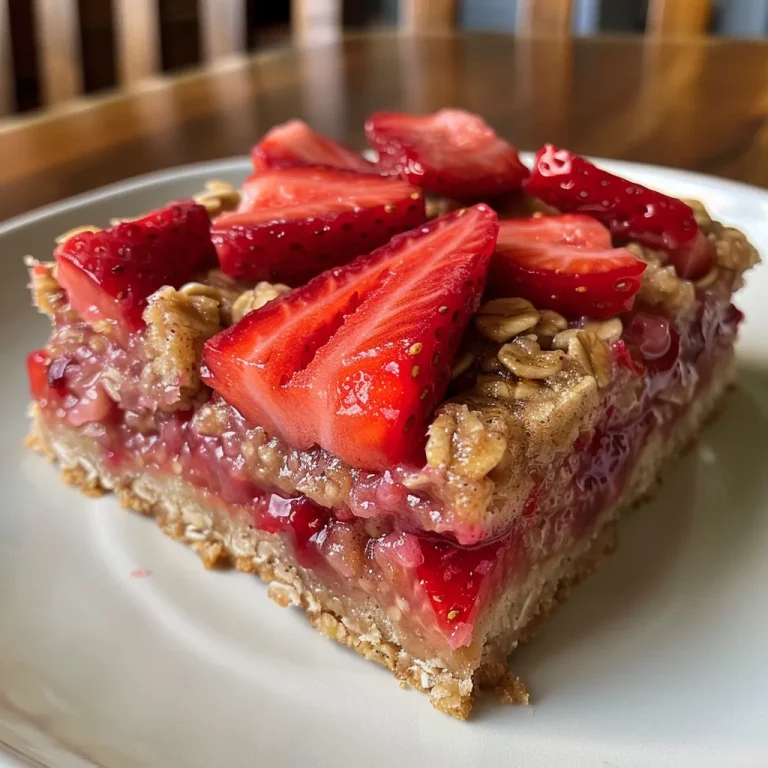
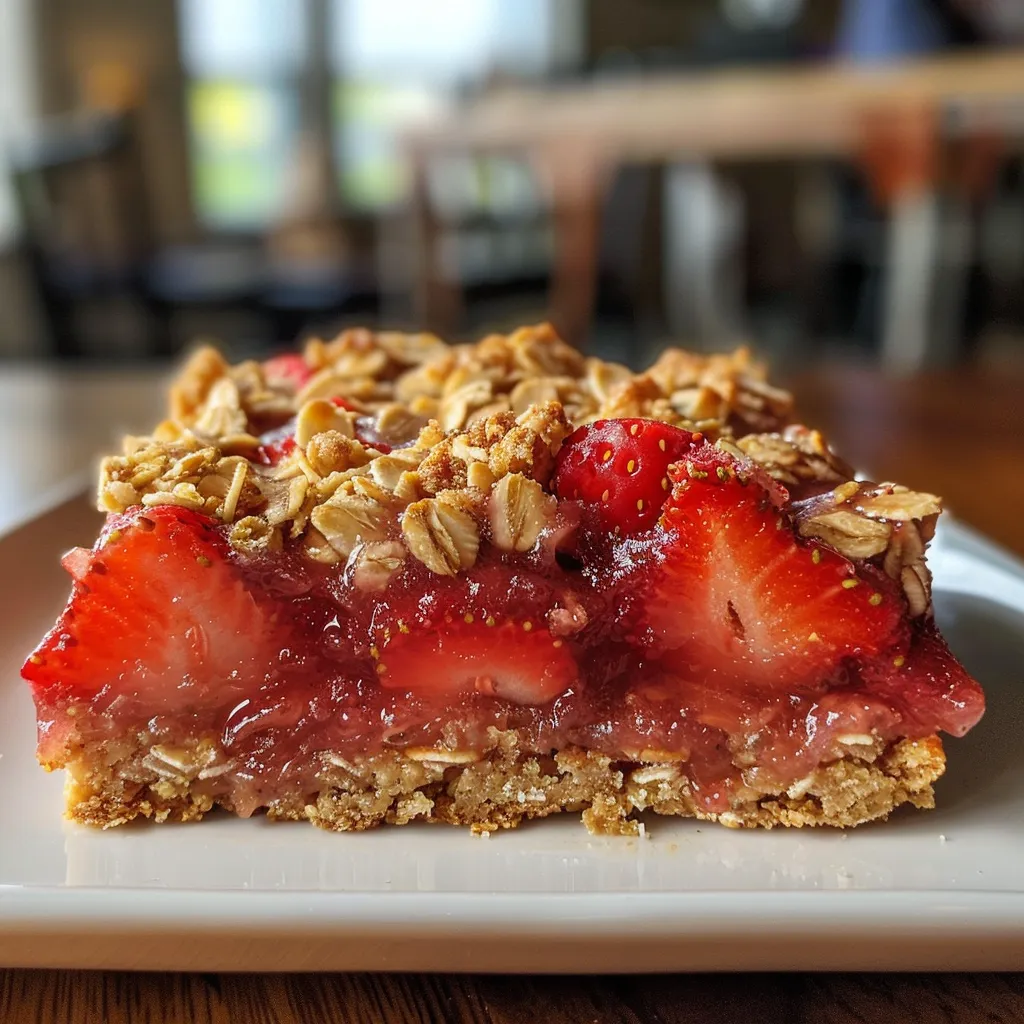
Close-up image of a delicious strawberry oatmeal bar, featuring its thick strawberry filling and oat topping.

If you want to customize your strawberry oatmeal bars, consider these substitutions:

  • Gluten-Free: Substitute all-purpose flour with a 1:1 gluten-free flour blend and use certified gluten-free oats.
  • Vegan: Replace butter with coconut oil or vegan butter, and use a flax egg instead of regular egg if needed for binding.
  • Different Fruits: Swap strawberries for blueberries, raspberries, or chopped apples for a different flavor profile.
  • Add Nuts: Incorporate chopped nuts such as walnuts or almonds into the crust for added crunch and nutrition.

Expert Tips for Perfect Strawberry Oatmeal Bars

To ensure your bars turn out perfectly, keep these expert tips in mind:

  • Room Temperature Ingredients: Use butter at room temperature to ensure even mixing and a smooth texture.
  • Don’t Overmix: When mixing the crust ingredients, stop as soon as everything is combined to avoid tough bars.
  • Let Them Cool: Allow the bars to cool completely in the pan to help them set properly before cutting.
  • Storage: Store leftover bars in an airtight container at room temperature for up to 3 days or refrigerate for up to a week.
  • Freezing: For longer storage, freeze the bars wrapped tightly in plastic wrap and then in foil for up to 3 months. Thaw at room temperature before serving.

Common Mistakes and Troubleshooting

Here are some common mistakes to avoid when making strawberry oatmeal bars:

  • Using Overripe Strawberries: Ensure your strawberries are fresh and not overly ripe to prevent a mushy filling.
  • Not Measuring Flour Accurately: Use the spoon-and-level method to measure flour to avoid dense bars.
  • Skipping the Cooling Time: Rushing to cut the bars while they’re still warm can lead to a messy result.
  • Inadequate Greasing: Make sure to grease the pan well to prevent sticking.

Frequently Asked Questions

Here are some common questions about making strawberry oatmeal bars:

  • Can I use frozen strawberries? Yes, frozen strawberries can be used, but make sure to thaw and drain excess liquid before using.
  • How can I ensure my bars aren’t too crumbly? Make sure to pack the crust mixture firmly into the pan and allow them to cool completely before cutting.
  • Can I add chocolate chips? Absolutely! Adding chocolate chips can add a delightful sweetness to the bars.
  • How do I know when they are done baking? The top should be golden brown, and you can check for doneness by inserting a toothpick; it should come out clean.
  • What if I don’t have corn starch? You can use tapioca starch or even flour as a thickener in a pinch.
  • Can I make these bars ahead of time? Yes, they can be made a day or two in advance and stored in an airtight container.
  • What’s the best way to cut the bars? Use a sharp knife and wipe it clean between cuts for neat squares.
  • Can I substitute the granulated sugar? Yes, you can use brown sugar or coconut sugar for a different flavor.

Nutrition Tips and Dietary Adaptations

These strawberry oatmeal bars can be a nutritious addition to your diet. Here are some tips:

  • Fiber-Rich: The oats provide a good source of fiber, which is essential for digestive health.
  • Low in Saturated Fat: By using less butter or substituting with healthier fats, you can reduce the saturated fat content.
  • Portion Control: Cut the bars into smaller squares to keep portion sizes in check while enjoying a sweet treat.

Equipment Recommendations

To make the best strawberry oatmeal bars, consider having these kitchen tools on hand:

  • 9×13-inch Baking Pan: Essential for making the bars.
  • Stand Mixer: Useful for mixing the crust ingredients quickly and evenly.
  • Measuring Cups and Spoons: Accurate measurements are key to baking success.
  • Spatula: Perfect for spreading the filling and topping evenly.

Serving Suggestions

These strawberry oatmeal bars are delicious on their own, but here are some serving ideas:

  • With Ice Cream: Serve warm bars with a scoop of vanilla ice cream for an indulgent dessert.
  • Drizzled with Glaze: A simple glaze of powdered sugar and milk can add a sweet finish.
  • With Fresh Fruit: Pair with additional fresh strawberries or other berries for a refreshing contrast.

Conclusion

Now that you have all the tools and tips you need, it’s time to make your own batch of Effortless Strawberry Oatmeal Bars. With their delightful flavor, satisfying texture, and wholesome ingredients, these bars are not just a treat; they’re a versatile addition to your recipe repertoire. Remember to get creative with variations and enjoy them as a part of your everyday snacking or dessert routine. Happy baking!

Strawberry Oatmeal Bars

Prep Time 20 minutes
Cook Time 40 minutes
Total Time 1 hour
Servings 12 bars
Calories 250
Delicious and easy-to-make strawberry oatmeal bars with a crumbly crust and juicy filling, perfect for a sweet treat.

Ingredients

Fruits

  • 4 cups whole strawberries (washed hulled and diced)
  • cup granulated sugar (regular sugar)
  • 1.5 tablespoons lemon juice (from half lemon)
  • cup corn starch (to thicken the filling)

Crust and topping

  • 2 cups old-fashioned rolled oats (provides texture)
  • 2 cups all-purpose flour (regular flour)
  • cup granulated sugar (regular sugar)
  • 1.5 teaspoons ground cinnamon (adds warmth and flavor)
  • 14 tablespoons unsalted butter (room temperature)
  • ½ teaspoon salt (balances sweetness)
  • 1 teaspoon pure vanilla extract (for aroma and flavor)

Instructions 

  • Preheat oven to 350°F (175°C). Grease a 9x13-inch pan.
  • Mix strawberries and sugar; let sit 10 mins. Add lemon juice and cornstarch, stir.
  • Combine oats, flour, sugar, cinnamon, butter, salt, vanilla in a bowl; mix until crumbly.
  • Press 2/3 of crust mixture into pan. Spread strawberry filling over it.
  • Top with remaining crust mixture. Bake 35-40 mins until golden. Cool before slicing.

Notes

Chill the bars before serving for best texture.
Calories: 250kcal
Cost: $15
Course: Dessert
Cuisine: American
Keyword: strawberry

Elevate Your Meal Prep with Fresh and Flavorful Spring Roll Salad

Are you ready to experience a burst of flavors in a salad that’s not only vibrant but also incredibly satisfying? This Spring Roll Salad with Creamy Peanut Sauce is the perfect solution for your busy lifestyle. Packed with fresh vegetables and a rich, creamy dressing, it’s a dish that’s as delicious as it is nutritious. Whether you’re looking for a quick lunch, a light dinner, or an impressive dish for your next gathering, this recipe has got you covered. Let’s dive into why you’ll love this recipe and how to make it your own!

Why You’ll Love This Spring Roll Salad

This Spring Roll Salad is not just a feast for the eyes but a delight for the palate. Here are some specific benefits of this recipe:

  • Colorful and Nutritious: The mix of fresh vegetables creates a visually stunning dish that’s loaded with vitamins and minerals.
  • Quick and Easy: With minimal prep time, you can have this salad ready in under 30 minutes, making it perfect for busy weeknights.
  • Customizable: Feel free to swap in your favorite veggies or proteins, making it a versatile option for everyone.
  • Meal Prep Friendly: Ideal for meal prep, this salad can be made in advance and stored for quick lunches throughout the week.
  • Deliciously Satisfying: The creamy peanut sauce adds richness, making this salad hearty enough to serve as a main course.

Ingredients Breakdown

Let’s take a closer look at the ingredients that make this Spring Roll Salad stand out:

  • Creamy Peanut Butter: Forms the base of the dressing. You can substitute with almond butter or sunflower seed butter for a nut-free version.
  • Hoisin Sauce: This adds sweetness and depth. If you can’t find it, brown sugar is a suitable substitute.
  • Lime Juice: Fresh lime juice brightens the flavors. If you’re out of limes, lemon juice works well too.
  • Soy Sauce: Adds umami flavor. Use tamari for a gluten-free option.
  • Thin Rice Noodles: The heart of the salad, these noodles soak up the dressing beautifully. If you can’t find rice noodles, glass noodles or even cooked quinoa can work.
  • Fresh Vegetables: Cucumber, purple cabbage, carrots, and red bell pepper provide crunch and color.
  • Fresh Herbs: Cilantro and mint add aromatic flavors that elevate the dish.
  • Chopped Peanuts: Optional, but they add a delightful crunch!

Step-by-Step Instructions: How to Make Your Spring Roll Salad

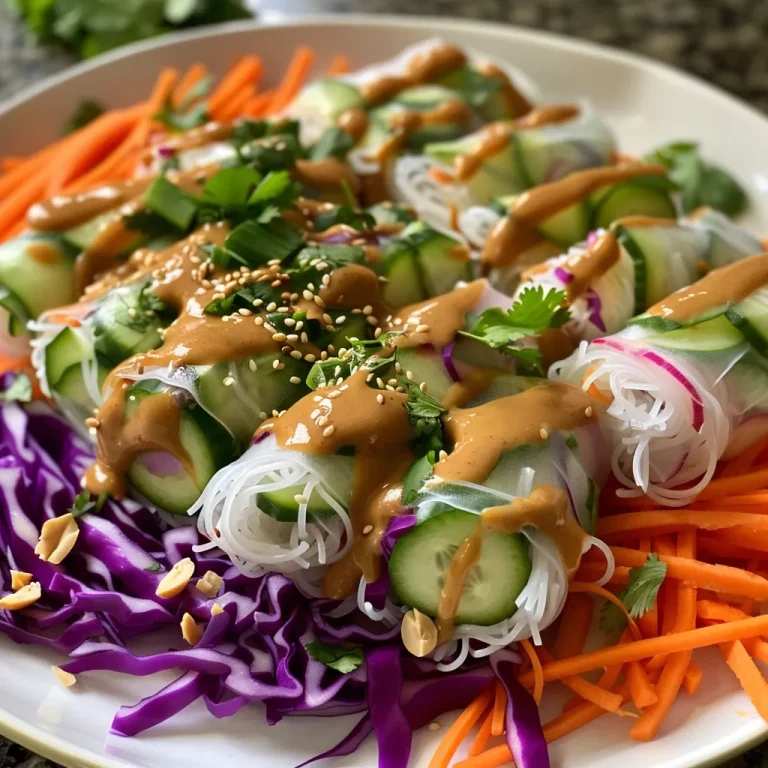
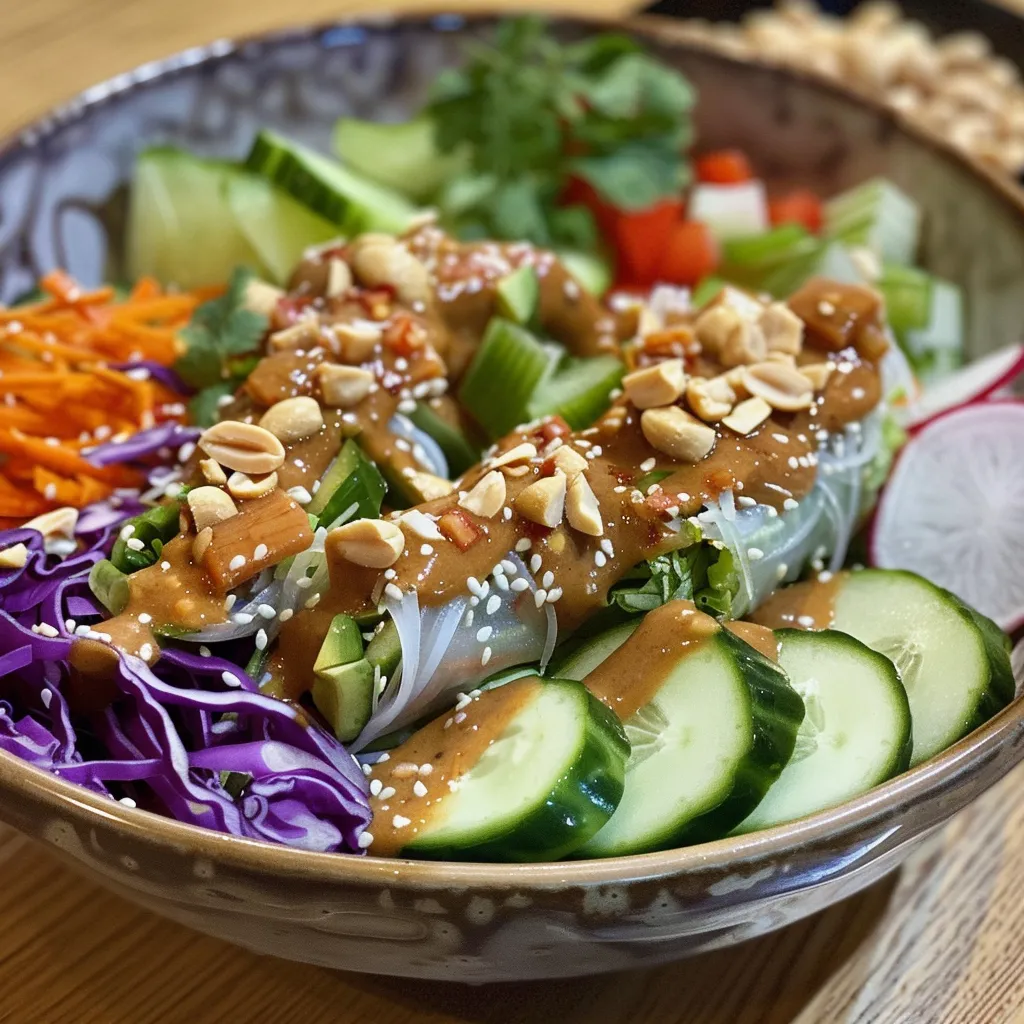
A delicious Spring Roll Salad with thin rice noodles and a mix of colorful vegetables, enhanced by a creamy sauce.

Follow these simple steps to create your Spring Roll Salad:

  • Cook the Noodles: Boil the rice noodles according to package directions. Keep an eye on them, as they can overcook quickly. Drain and rinse under cold water to stop the cooking process.
  • Make the Dressing: In a bowl, whisk together peanut butter, hoisin sauce, lime juice, soy sauce, and water until smooth. Adjust the water to achieve your desired dressing consistency.
  • Assemble the Salad: In a large bowl, combine the cooked noodles, sliced vegetables, and herbs. Drizzle with the dressing and toss gently to combine. Garnish with chopped peanuts if desired.

Pro Tips for Perfecting Your Spring Roll Salad

To ensure your salad is as delicious as possible, consider these expert tips:

  • Chill Your Ingredients: Keeping your veggies and noodles cold enhances the freshness and crunch.
  • Adjust the Dressing: If you prefer a spicier kick, add a dash of sriracha or chili paste to the dressing.
  • Fresh Herbs Matter: Use fresh herbs rather than dried for the best flavor.
  • Snip Noodles: After rinsing, snip the noodles with kitchen scissors to make them easier to eat.
  • Don’t Skip the Cold Rinse: Always rinse your noodles with cold water to prevent them from becoming gummy.
  • Layer Flavors: Add proteins like grilled shrimp or chicken for a heartier meal.
  • Store Separately: For meal prep, store the dressing separately to keep the salad fresh.
  • Experiment with Textures: Add ingredients like avocado or crispy tofu for variety.

Common Mistakes and Troubleshooting

Here are some common issues you might encounter and how to fix them:

  • Noodles Overcooked: Keep an eye on your cooking time; noodles can become mushy quickly. Always check them a minute or two early.
  • Dressing Too Thick: Add a little more water to your dressing until you reach the desired consistency.
  • Too Much Crunch: If your veggies are too crunchy, let them soak in cold water for a few minutes before adding them to the salad.
  • Flavor Lacking: If your salad tastes bland, a splash more lime juice or soy sauce can brighten it up.

Variations to Try

Looking to mix things up? Here are some creative variations of this recipe:

  • Protein-Packed: Add grilled chicken, shrimp, or tofu for a hearty meal.
  • Vegetable Variation: Swap out the cabbage for kale or spinach for a different texture.
  • Fruit Addition: Toss in some diced mango or pineapple for a sweet twist.
  • Spicy Kick: Incorporate sliced jalapeños or a drizzle of chili oil for heat.

Storage and Make-Ahead Instructions

This Spring Roll Salad is perfect for meal prep! Here’s how to store it:

  • Refrigerate: Store the salad without dressing in an airtight container in the refrigerator for up to 3 days.
  • Dressing Storage: Keep the dressing in a separate container, where it can last for up to a week.
  • Assemble When Ready: Combine the salad and dressing just before serving to maintain freshness.

Frequently Asked Questions

Here are some common inquiries about this recipe:

  • Can I use different types of noodles? Yes! You can substitute rice noodles with glass noodles or quinoa.
  • How can I make this salad vegan? Use maple syrup instead of hoisin sauce and ensure your peanut butter is vegan-friendly.
  • Is this recipe gluten-free? Yes, as long as you use gluten-free soy sauce or tamari.
  • Can I prepare this salad in advance? Absolutely! Just keep the dressing separate until you’re ready to serve.
  • What vegetables work best? Feel free to experiment! Shredded carrots, bell peppers, and snap peas all work wonderfully.
  • How long does the salad last? It can last up to 3 days in the fridge if stored correctly.
  • Can I add fruit to the salad? Yes! Fruits like mango or pineapple can add a sweet note to your salad.
  • Is the dressing customizable? Definitely! Adjust the sweetness and spiciness to your taste preferences.

Nutritional Tips and Dietary Adaptations

This salad not only tastes great but can also be tailored to meet various dietary needs:

  • Low-Carb Option: Swap rice noodles for zucchini noodles or omit them entirely.
  • High-Protein Version: Add grilled chicken or shrimp for a protein boost.
  • Vegan Adaptation: Use plant-based sauces and ingredients to keep it vegan-friendly.

Equipment Recommendations

For this recipe, consider the following kitchen tools:

  • Large Pot: For boiling the noodles.
  • Mixing Bowl: To whisk the dressing and toss the salad.
  • Kitchen Scissors: Handy for cutting noodles and herbs.
  • Measuring Cups and Spoons: For accurate ingredient measurements.

Serving Suggestions

This Spring Roll Salad pairs well with a variety of dishes:

  • As a Main Course: Serve it alone for a light but filling meal.
  • Side Dish: It complements grilled meats or seafood beautifully.
  • With Spring Rolls: Serve alongside fresh or fried spring rolls for a delightful combination.

Cooking doesn’t have to be complicated, and with this Spring Roll Salad, you can enjoy a quick, nutritious, and delicious meal that fits perfectly into your busy lifestyle. Dive into this refreshing dish and experience the explosion of flavors that it brings. Happy cooking!

Spring Roll Salad with Peanut Sauce

Prep Time 15 minutes
Cook Time 10 minutes
Total Time 25 minutes
Servings 4 servings
Calories 350
A fresh and vibrant salad combining rice noodles, crisp vegetables, herbs, and a creamy peanut dressing for a delicious, healthy meal.

Ingredients

Dressing

  • 1/2 cup creamy peanut butter
  • 1 tbsp hoisin sauce (can substitute brown sugar)
  • 2 tbsp lime juice
  • 1 tbsp soy sauce
  • 1/4 cup water (start with ¼ cup and add until desired consistency)

Noodles and Vegetables

  • 4 oz thin rice noodles (such as from Amazon)
  • 2 cups cucumber, thinly sliced
  • 2 cups purple cabbage, thinly sliced (or cole slaw mix)
  • 1 cup carrot, grated or thinly sliced
  • 1 red bell pepper thinly sliced
  • 1/2 cup cilantro, chopped
  • 1/4 cup fresh mint, chopped
  • 1/2 cup peanuts, chopped (optional)

Instructions 

  • Cook the rice noodles according to package instructions, then drain, rinse, and snip into shorter strands.
  • Whisk all dressing ingredients until smooth, adding water gradually to reach a pourable consistency.
  • Combine noodles, vegetables, and herbs in a large bowl, toss with dressing, and garnish with chopped peanuts.

Notes

Adjust water in the dressing for desired consistency and add peanuts for extra crunch.
Calories: 350kcal
Cost: $15
Course: Salad
Cuisine: Asian
Keyword: noodles, Peanut Sauce, Vegetables

Welcome to the world of delicious simplicity! This Mango Chia Pudding is an exquisite blend of tropical flavors and creamy texture, making it the perfect choice for a healthy dessert or a nutritious breakfast. With just a few ingredients and minimal prep time, you can create a delightful treat that’s not only satisfying but also packed with nutrients. In this guide, we will take you step-by-step through the process of making this mango chia pudding, delve into its benefits, and share tips and variations to elevate your experience.

Why You’ll Love This Recipe

  • Quick and Easy: This pudding requires only a few simple ingredients and takes less than 15 minutes of active preparation time.
  • Nutritious and Healthy: Packed with chia seeds, this dessert is rich in omega-3 fatty acids, fiber, and protein, making it a great choice for health-conscious individuals.
  • Versatile and Customizable: You can easily adapt this recipe to suit your taste preferences, with various toppings and ingredient substitutions.
  • Perfect for Meal Prep: Make a batch ahead of time for convenient breakfasts or snacks throughout the week.
  • Deliciously Satisfying: The combination of mango and coconut milk creates a creamy, tropical flavor that is hard to resist!

Ingredients Breakdown

Here’s what you need to make your own Mango Chia Pudding, along with some helpful substitutions:

  • Fresh Ripe Mango: You’ll need one large mango, peeled and chopped, which yields about 3/4 cup of mango puree. If fresh mango isn’t available, you can use frozen mango chunks.
  • Chia Seeds: 1/4 cup of chia seeds provides the pudding’s unique texture and nutritional benefits. You can also experiment with other seeds like flaxseeds for variation.
  • Coconut Milk: Use 1 cup of light coconut milk, preferably canned and unsweetened, for a creamy base. Almond or oat milk can also be used for a different flavor profile.
  • Maple Syrup: 1-2 tablespoons of maple syrup (or honey/agave) adds sweetness. Adjust according to your taste preference.
  • Cardamom Powder: This optional 1/2 teaspoon adds a unique flavor twist to your pudding. Feel free to omit or substitute with vanilla extract.
  • Pistachios: 1 tablespoon of chopped pistachios adds a delightful crunch and visual appeal. You can replace them with nuts of your choice.

How to Make Mango Chia Pudding

Follow these straightforward steps to create your mango chia pudding:

  1. Peel and chop the mango. In a blender, add the chopped mango and blend until smooth.
  2. In a mixing bowl, combine the light coconut milk, mango puree, chia seeds, maple syrup, and cardamom powder. Whisk together until smooth and well combined.
  3. Cover the mixture and refrigerate for 10–15 minutes. After this time, stir the pudding and refrigerate for at least 4 hours or overnight for best results. If the pudding is too thick after chilling, thin it out with a little extra coconut milk before serving.
  4. Once ready, pour the pudding into two serving cups and top with fresh diced mangoes and chopped pistachios.

Pro Tips for Perfect Mango Chia Pudding

A colorful mango chia pudding with a smooth texture, decorated with diced mango and pistachios, captured from the side.
  • Stir Twice: Stir the chia pudding after the first 10 minutes of chilling to prevent clumping and ensure an even texture.
  • Fresh Ingredients: Use fresh, ripe mango for the best flavor. If using frozen mango, let it thaw fully before blending.
  • Adjust Sweetness: Taste the mixture before refrigerating. You can always add more sweetener if needed!
  • Experiment with Flavors: Try adding a splash of vanilla extract or a pinch of cinnamon for a flavor variation.
  • Mind the Chia Ratio: Maintain the right chia seed-to-liquid ratio (1:4) for optimal pudding texture.
  • Make Ahead: This pudding can be made up to 4 days in advance, making it perfect for meal prep.
  • Serving Suggestions: Serve with layers of different fruits or a dollop of yogurt for added creaminess.
  • Storage: Store leftovers in an airtight container in the refrigerator for up to 4 days.

Common Mistakes and Troubleshooting

To ensure your mango chia pudding turns out perfectly, avoid these common pitfalls:

  • Too Thick: If your pudding thickens too much, simply whisk in a little coconut milk or water until you reach the desired consistency.
  • Uneven Texture: Make sure to stir the mixture well before chilling, and give it a quick stir after the initial chilling time.
  • Insufficient Flavor: Adjust the sweetness or add spices like vanilla or cardamom to enhance the flavor profile.

Variations to Try

Mix things up with these delicious variations:

  • Mango Coconut Layered Parfait: Layer pudding with yogurt and granola for a delightful parfait.
  • Berry Chia Pudding: Substitute mango with mixed berries for a berry version.
  • Chocolate Delight: Add cocoa powder to the base for a chocolate mango chia pudding.
  • Citrus Burst: Incorporate orange or lime juice for a zesty twist.

Storage and Make-Ahead Instructions

To make your life easier, here’s how to store and prepare this pudding:

  • Refrigeration: Store your mango chia pudding in an airtight container in the refrigerator for up to 4 days.
  • Make-Ahead: Prepare the pudding up to 4 days in advance for quick breakfasts or desserts. Just remember to top with fresh ingredients right before serving.

Frequently Asked Questions

Here are some common questions about making mango chia pudding:

  • Can I use frozen mango? Yes, just make sure to thaw it completely before blending.
  • How long does chia pudding last? It can last up to 4 days in the fridge when stored properly.
  • Can I substitute coconut milk? Absolutely! Almond, cashew, or oat milk can also work well.
  • Is this pudding vegan? Yes, as long as you use maple syrup instead of honey.
  • What can I use instead of chia seeds? Flaxseeds can be used, but they will create a different texture.
  • Can I make this pudding without a blender? Yes, simply mash the mango with a fork, but blending will give a smoother texture.
  • Can I add protein powder? Yes! Add a scoop of your favorite protein powder for an extra boost.
  • How do I serve this pudding? Serve chilled with fresh fruit, nuts, or granola on top for added texture.

Nutrition Tips and Dietary Adaptations

This mango chia pudding is not only delicious but also nutritious!

  • High in Fiber: Chia seeds are an excellent source of dietary fiber, which aids digestion and keeps you feeling full.
  • Healthy Fats: The pudding is rich in omega-3 fatty acids thanks to the chia seeds, promoting heart health.
  • Low Sugar Option: Substitute maple syrup with stevia or another low-calorie sweetener to reduce sugar content.
  • Gluten-Free: This recipe is naturally gluten-free, making it suitable for those with gluten sensitivities.

Equipment Recommendations

To make your cooking experience smooth, here are some essential tools:

  • High-Speed Blender: For a smooth mango puree.
  • Mixing Bowl: Use a medium-sized bowl for mixing ingredients.
  • Whisk: A whisk is essential for blending the pudding mixture thoroughly.
  • Airtight Containers: For storing leftovers securely.

Serving Suggestions

Enhance your mango chia pudding experience with these serving ideas:

  • Top with Fresh Fruits: Fresh mango chunks, berries, or bananas add color and flavor.
  • Add Nuts or Seeds: Sprinkle with nuts like almonds or walnuts for a crunchy texture.
  • Drizzle with Honey or Maple Syrup: A little extra sweetness never hurts!
  • Layer with Granola: For added crunch and a satisfying breakfast option.

With this comprehensive guide and delicious recipe in hand, you’re ready to create a delightful Mango Chia Pudding that will impress your family and friends. Enjoy crafting this creamy treat and savor the rich flavors of mango and coconut!

Mango Chia Pudding

Prep Time 10 minutes
Total Time 25 minutes
Servings 2 servings
Calories 250
A delicious and healthy mango chia pudding perfect for a quick breakfast or snack. Creamy, fruity, and easy to prepare.

Ingredients

Fruits

  • 1 large fresh ripe mango, peeled and chopped (about 3/4 cup of mango puree)
  • 1/4 cup chia seeds
  • 1 cup light coconut milk (canned and unsweetened)
  • 1-2 tablespoons maple syrup (or honey, agave)
  • 1/2 teaspoon cardamom powder (optional)
  • 1/2 cup diced mango
  • 1 tablespoon pistachios (chopped)

Instructions 

  • Peel and blend mango until smooth to make mango puree.
  • Mix coconut milk, mango puree, chia seeds, maple syrup, and cardamom in a bowl. Whisk until smooth.
  • Refrigerate for 10–15 minutes, stir, then chill for at least 4 hours or overnight.
  • Pour into cups, top with diced mango and pistachios before serving.

Notes

For a creamier pudding, let it sit longer in the fridge.
Calories: 250kcal
Cost: $10
Course: Breakfast, Dessert
Cuisine: fusion
Keyword: Mango