
Master the Art of Pasta Primavera: A Fresh, Flavorful Journey
Welcome to a vibrant world where pasta primavera reigns supreme! This classic dish, which celebrates the freshness of spring vegetables, is not just a meal; it’s an experience. Packed with colorful veggies and a zesty lemon sauce, this pasta dish is perfect for those busy weeknights when you want something delicious without the fuss. In this comprehensive guide, you will learn how to create a stunning pasta primavera that is both simple and satisfying. Let’s dive into the details!
Why You’ll Love This Recipe
- Quick and Easy: This pasta primavera can be prepared in under 30 minutes, making it ideal for weeknight dinners.
- Seasonal Freshness: Utilize the freshest spring vegetables to enhance the flavor and presentation of the dish.
- Customizable: You can easily modify the ingredients based on what you have on hand or your dietary preferences.
- Healthy and Nutritious: Packed with veggies, this dish provides essential vitamins and minerals.
- Delicious Leftovers: This pasta tastes just as good, if not better, the next day, making it perfect for meal prep.
Essential Ingredients for Vibrant Pasta Primavera
Let’s break down the ingredients you’ll need for this delightful dish:
- 12 ounces uncooked fusilli pasta: This type of pasta holds onto the sauce and veggies beautifully.
- 1 1/2 tablespoons olive oil: A healthy fat that adds richness.
- 1/4 cup thinly sliced shallots: For a mild onion flavor.
- 2 carrots: Peeled and julienned for sweetness and crunch.
- 1 cup chopped asparagus: Cut into 1 1/2-inch pieces for a tender bite.
- 1 cup sliced zucchini: Adds a fresh, mild flavor; cut into rounds or half moons.
- 1 cup sliced yellow squash: Similar to zucchini, it adds color and flavor.
- 1 cup cherry tomatoes: Burst with sweetness and color when cooked.
- Salt and fresh ground black pepper to taste: Essential for seasoning.
- 1/2 cup frozen peas: Easy and nutritious, they add a pop of color.
- 2 teaspoons Italian seasoning: A blend of herbs that enhances the overall flavor.
- 1/2 teaspoon garlic powder: Adds depth to the dish.
- 1/4 teaspoon red pepper flakes (optional): For a touch of heat.
- Zest and juice of 1 lemon: Brightens the dish and enhances the flavors.
- 1/2 cup of reserved pasta water: Helps to create a silky sauce.
- 1/2 cup shredded parmesan cheese: Adds creaminess and flavor.
- Fresh basil for garnish (optional): For a fresh finish.
Step-by-Step Guide to Cooking Pasta Primavera
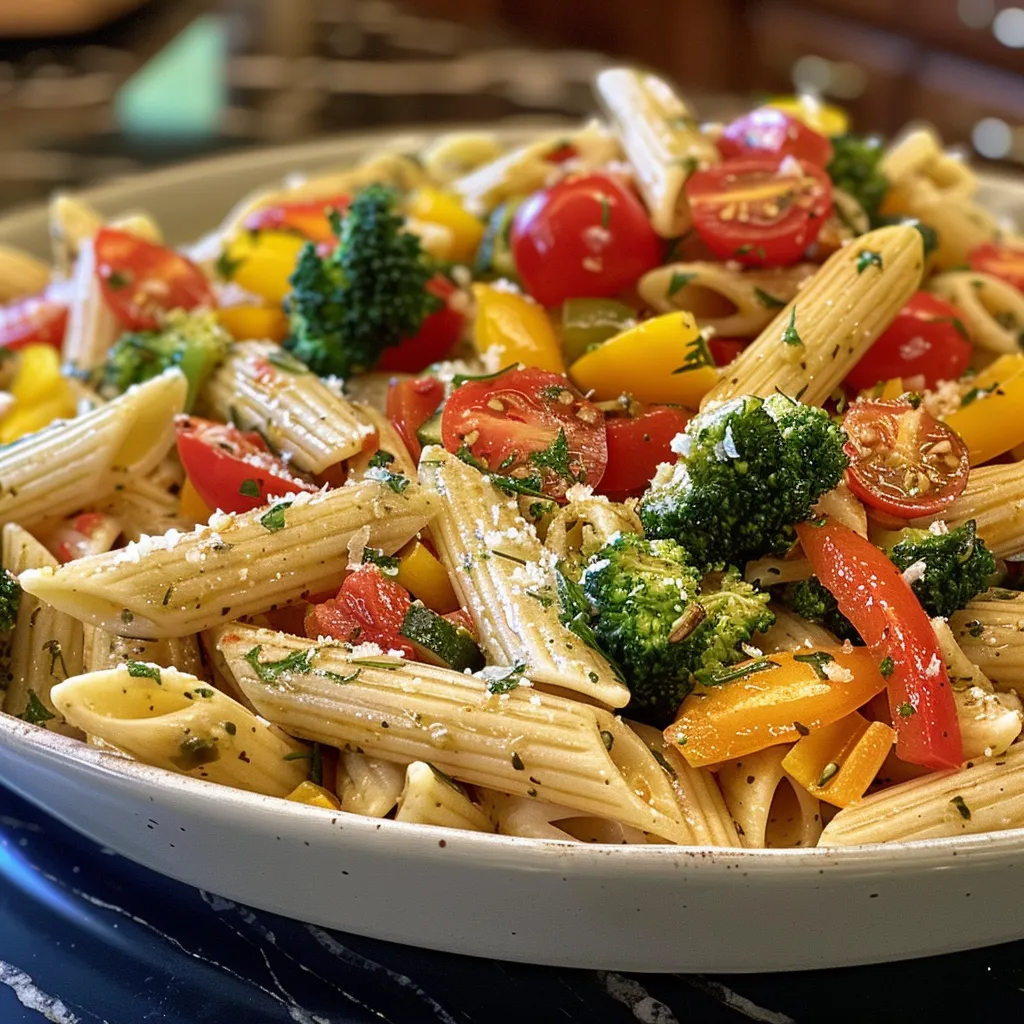
Follow these easy steps to create your own pasta primavera masterpiece:
- Cook the pasta according to package instructions. Remember to reserve 1 cup of pasta water before draining.
- In a large skillet, heat the olive oil over medium heat. Add the shallots, carrots, and asparagus, sautéing for about 2 minutes.
- Add the zucchini, yellow squash, and cherry tomatoes. Season with salt, pepper, Italian seasoning, garlic powder, and optional red pepper flakes. Cook until the vegetables are tender, about 5-7 minutes.
- Combine the cooked pasta with the sautéed vegetables in the skillet. Add 1/4 cup of the reserved pasta water, along with the lemon zest and lemon juice. Toss to combine.
- Fold in the frozen peas and parmesan cheese until well mixed. If the sauce is too thick, adjust with more reserved pasta water.
- Finally, taste and adjust the seasoning as needed. Garnish with fresh basil and extra parmesan before serving.
Pro Tips for a Perfect Pasta Primavera
- Use seasonal vegetables: Opt for fresh, in-season vegetables for the best flavor and texture.
- Don’t overcook the pasta: Aim for al dente to maintain texture.
- Reserve pasta water: This starchy water is key for creating a silky sauce.
- Add vegetables gradually: Start with harder vegetables and add softer ones later for even cooking.
- Experiment with herbs: Fresh herbs like basil or parsley can elevate the flavor.
- Try different cheeses: For a twist, experiment with different cheese options like feta or goat cheese.
- Adjust for dietary needs: Substitute gluten-free pasta or dairy-free cheese as needed.
- Serve immediately: Enjoy your pasta primavera fresh for the best taste.
Common Mistakes and Troubleshooting
Even the best cooks can make mistakes. Here are common pitfalls and how to avoid them:
- Overcooking the vegetables: Vegetables should be tender but still crisp. Sauté them just until they start to soften.
- Not seasoning enough: Don’t be shy with the salt and pepper; they enhance the flavors of the dish.
- Skipping the pasta water: This ingredient is crucial for creating a cohesive sauce.
- Making it too saucy: Aim for a light coating rather than drowning the pasta; adjust with pasta water as needed.
Delicious Variations of Pasta Primavera
Feel free to switch things up with these variations:
- Protein-Packed Primavera: Add grilled chicken, shrimp, or chickpeas for a protein boost.
- Creamy Pasta Primavera: Stir in a splash of cream or a dollop of ricotta for a richer sauce.
- Spicy Primavera: Increase the red pepper flakes for those who love a kick!
- Roasted Vegetable Primavera: Roast the vegetables instead of sautéing for a deeper flavor.
Storage and Make-Ahead Instructions
This pasta primavera can be easily stored and reheated:
- Refrigerator: Store in an airtight container for up to 3 days.
- Freezing: While fresh veggies are best enjoyed fresh, you can freeze leftovers for up to 2 months. Thaw in the refrigerator before reheating.
- Reheating: Gently reheat in a skillet with a splash of water or broth to loosen the sauce.
Frequently Asked Questions
- Can I use different types of pasta? Absolutely! Any pasta will work, but shapes that hold sauce well are preferred.
- What vegetables work best? Use your favorites! Bell peppers, broccoli, and snap peas are excellent choices.
- Can I make this dish vegan? Yes, simply omit the cheese or use a dairy-free alternative.
- How can I add more flavor? Consider adding fresh herbs, citrus zest, or even a splash of white wine.
- Is this dish gluten-free? Yes, just use gluten-free pasta.
- What’s the best way to cut vegetables for this dish? Aim for similar sizes to ensure even cooking.
- Can I prepare this ahead of time? Yes, you can prep the veggies and cook the pasta in advance. Just combine them at serving time.
- What’s the best way to serve pasta primavera? Serve it warm, garnished with fresh herbs and extra cheese if desired.
Nutritional Tips and Dietary Adaptations
This pasta primavera is not only delicious but also nutritious. Here are some tips to enhance its health benefits:
- Increase fiber: Incorporate whole grain pasta or add more vegetables for additional fiber.
- Reduce calories: Use less oil and cheese, or substitute with lighter options.
- Add healthy fats: Include avocado or nuts for healthy fats.
Recommended Equipment for Cooking
Gather these essential tools for a seamless cooking experience:
- Large pot: For boiling pasta.
- Skillet or sauté pan: For cooking the vegetables.
- Colander: For draining the pasta.
- Wooden spoon: For stirring ingredients.
- Measuring cups and spoons: For accurate ingredient measurements.
Serving Suggestions
This pasta primavera pairs beautifully with:
- Garlic bread: A perfect side to soak up the lemon sauce.
- Mixed green salad: Light and refreshing, it complements the pasta.
- Chilled white wine: A glass of Pinot Grigio or Sauvignon Blanc enhances the flavors.
In conclusion, pasta primavera is a versatile and vibrant dish that can easily adapt to your taste and dietary needs. With fresh vegetables and a delightful lemon sauce, it brings the essence of spring to your table. Whether you’re a seasoned cook or a beginner, this recipe is designed to deliver delicious results every time. Enjoy the journey of cooking and savor every bite of your homemade pasta primavera!
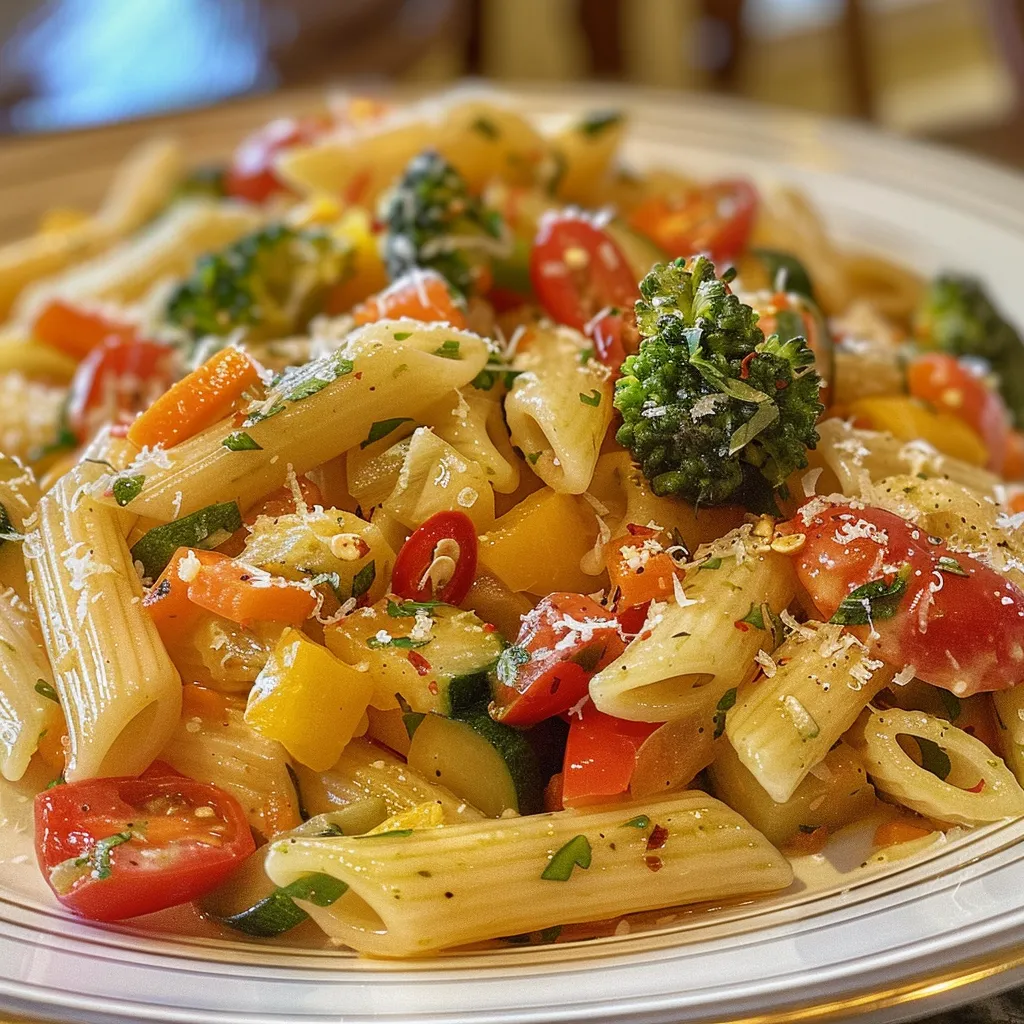
Pasta Primavera
Ingredients
Pasta
- 12 ounces uncooked fusilli pasta
- 1.5 tablespoons olive oil
- 0.25 cup thinly sliced shallots
- 2 carrots peeled and julienned carrots
- 1 cup chopped asparagus ((about 1 1/2 inches in length))
- 1 cup sliced zucchini (cut into rounds or half moons)
- 1 cup sliced yellow squash (cut into rounds or half moons)
- 1 cup cherry tomatoes
- 0.5 cup frozen peas
- 2 teaspoons Italian seasoning
- 0.5 teaspoon garlic powder
- 0.25 teaspoon red pepper flakes (optional)
- 1 each lemon (zest and juice)
- 0.5 cup reserved pasta water
- 0.5 cup shredded parmesan cheese
Fresh basil for garnish (optional)
Instructions
- Cook pasta according to package instructions; reserve 1 cup of pasta water before draining.
- Heat olive oil in a skillet and sauté shallots, carrots, and asparagus for 2 minutes.
- Add zucchini, yellow squash, and cherry tomatoes; season with salt, pepper, Italian seasoning, garlic powder, and red pepper flakes.
- Combine cooked pasta, 1/4 cup reserved pasta water, lemon zest, and lemon juice in the skillet.
- Fold in frozen peas and parmesan until well mixed; adjust sauce with remaining reserved pasta water as needed.